

Sports and Joint Injuries
Knee Tendinitis
Knee tendinitis is a common condition characterized by inflammation, degeneration, or overload of the periarticular tendons of the knee, producing pain, functional limitation, and decreased physical and athletic performance.
Currently, many tendinopathies are considered not only to be inflammatory processes, but also degenerative alterations of the tendon tissue secondary to repetitive mechanical overload and failure in the tendon repair mechanisms.
Tendon damage can significantly compromise a patient’s mobility and quality of life, especially in physically active people or athletes.
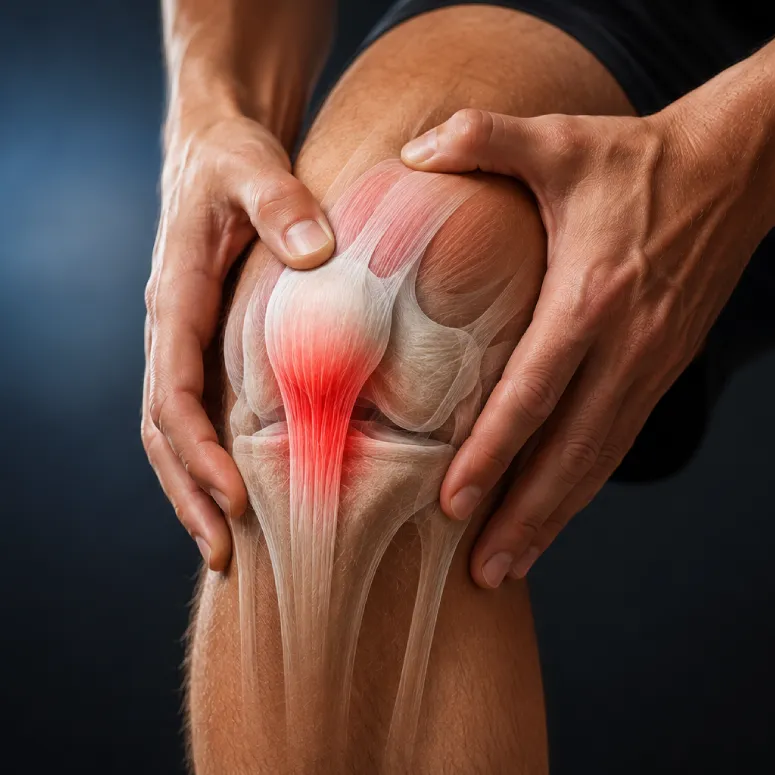

Which tendons can be affected?
The knee has multiple tendon structures essential for joint stability and mobility.
Among the most frequent tendinopathies are:
- Patellar tendinopathy or “jumper’s knee”
- Quadriceps tendinitis
- Pes anserinus tendinopathy
- Hamstring tendinopathies
- Iliotibial tract tendinopathy
These injuries can appear in isolation or associated with biomechanical alterations of the knee and lower extremities.

What are the most frequent causes?
Knee tendinopathies can develop due to multiple factors, including:
- Overexertion in sports or work
- Activities with repetitive impact
- Biomechanical and alignment alterations
- Muscle imbalances
- Muscle weakness and stability deficit
- Overweight and functional overload
- Degenerative tendon changes
- Insufficient recovery after intense exercise
Many patients have coexisting muscular, articular, and biomechanical alterations that contribute to the chronicity of pain.
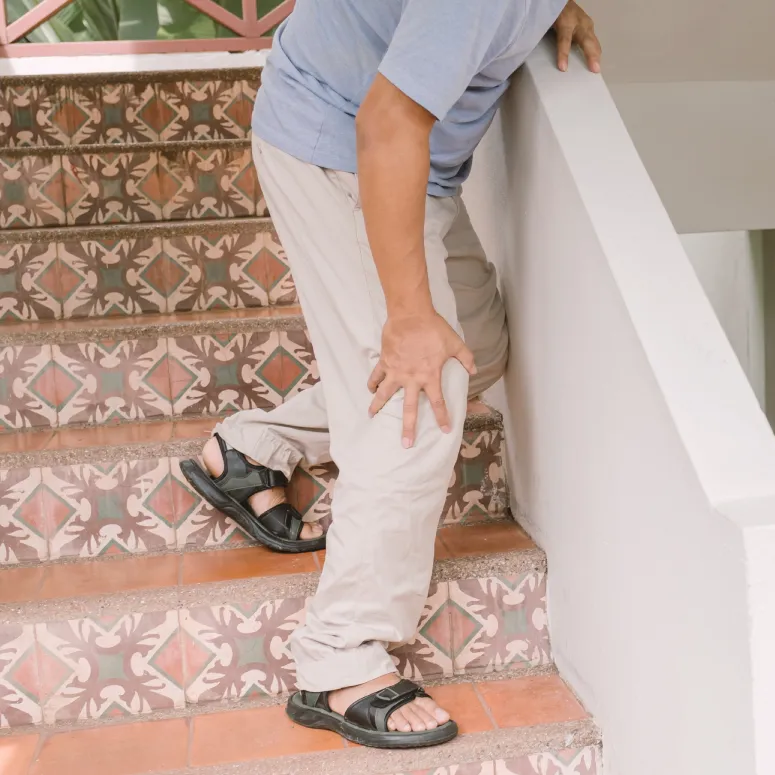
What are the most common symptoms?
The symptoms may vary depending on the affected tendon and the degree of tendon degeneration.
The most common symptoms include:
- Localized pain in the knee
- Pain during physical or sporting activity
- Pain when going up or down stairs
- Painful sensitivity over the affected tendon
- Rigidity and functional limitation
- Local inflammation
- Decreased physical performance
- Persistent pain after prolonged activity
In advanced stages, pain may appear even at rest or make everyday activities difficult.
Specialized diagnosis and precision medicine
The diagnosis requires a proper clinical and biomechanical assessment along with imaging studies aimed at assessing the structural state of the tendon.
Treatment of knee tendinitis
The treatment will depend on the degree of tendon degeneration and the functional characteristics of the patient.
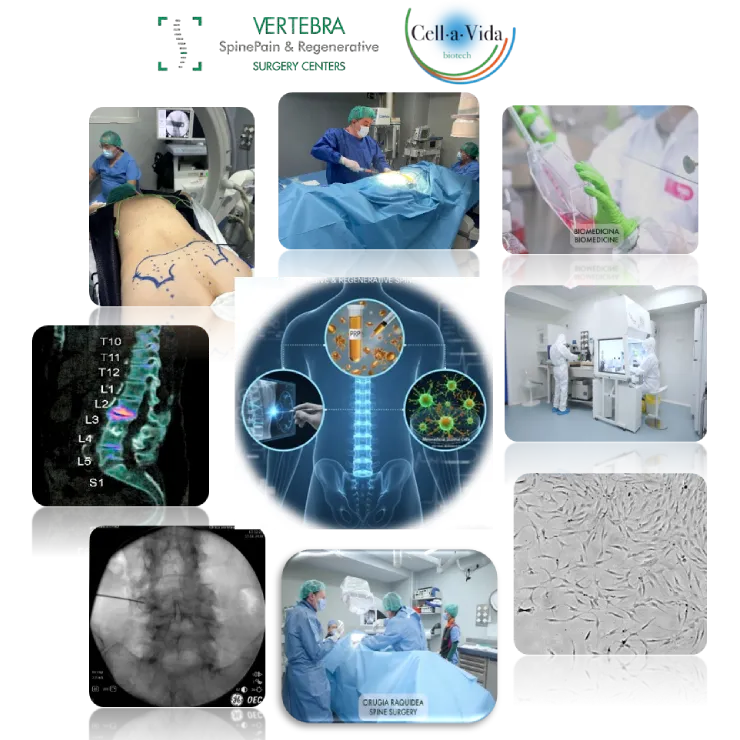
At VERTEBRA SpinePain & Regenerative SURGERY CENTERS we provide a comprehensive and personalized approach using advanced conservative, regenerative and interventional treatments.
Among the available therapeutic options, the following stand out:
- Specialized pharmacological treatment
- Physiotherapy and advanced functional rehabilitation
- Biomechanical correction and sports rehabilitation
- Specific muscle strengthening
- High-precision ultrasound-guided infiltrative treatments
- Regenerative Medicine and Advanced Cell Therapies
- Neuromodulation and radiofrequency techniques in selected cases
Regenerative therapies allow the stimulation of biological mechanisms of tendon repair and improve functionality in patients with chronic tendinopathies.
At VERTEBRA SpinePain & Regenerative SURGERY CENTERS we have a highly specialized unit in tendon pathology, regenerative medicine and advanced musculoskeletal intervention, offering personalized treatments using techniques of maximum precision and minimal invasiveness.
Our goal is to relieve pain, promote functional recovery, and allow a safe return to physical and sporting activity.
Contact us and regain your quality of life
