

Minimally invasive spine surgery
Percutaneous Kyphoplasty / Cementoplasty
Percutaneous Kyphoplasty or Vertebral Cementoplasty is a minimally invasive technique indicated for the treatment of painful vertebral fractures, especially those related to osteoporosis, trauma, bone insufficiency or certain pathological vertebral lesions.
The main objective of the procedure is to stabilize the fractured vertebra, quickly reduce pain, and improve the patient’s functionality and quality of life, allowing early mobilization and avoiding complications associated with prolonged bed rest.
The technique can also help to partially restore lost vertebral height and improve spinal alignment problems, reducing kyphosis secondary to vertebral compression fractures.
Kyphoplasty involves percutaneous access to the interior of the fractured vertebra using small-caliber cannulas guided by high-precision radiological control.
A special balloon is inserted into the vertebral body through these cannulas. Controlled inflation of the balloon creates an intravertebral cavity and, in many cases, partially restores the collapsed vertebral height.
The balloon is then removed and the space created is filled with a high-strength medical bone cement, providing immediate structural stabilization of the vertebra.
Once the cement has solidified, the vertebra regains mechanical stability, allowing for rapid pain relief and early mobilization of the patient.
The technique allows one or more vertebral levels to be treated during the same procedure, depending on the clinical needs of each case.

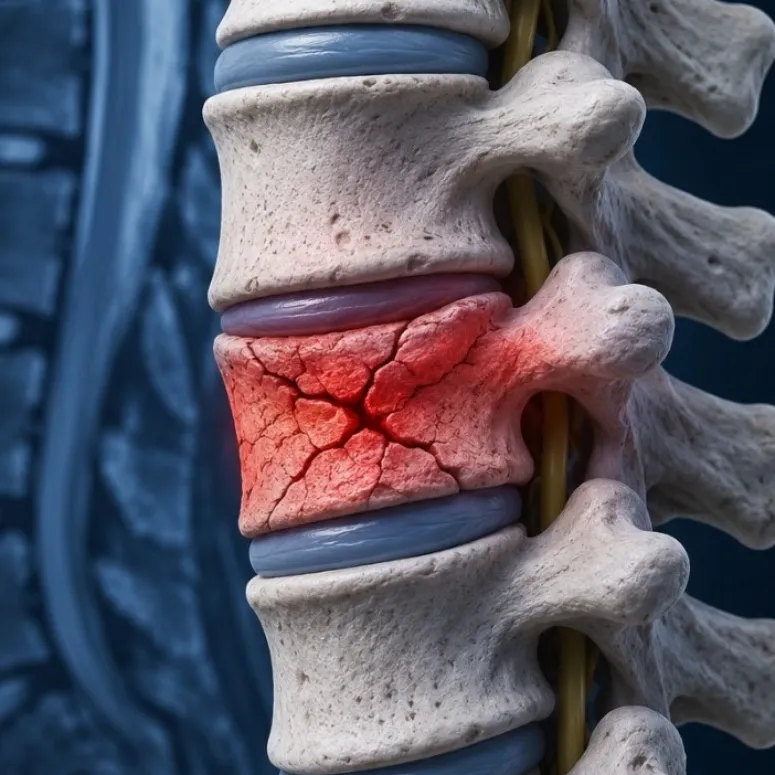
Percutaneous kyphoplasty may be indicated in patients with:
- Painful osteoporotic vertebral fractures
- Acute or subacute vertebral compression fractures
- Vertebral fractures due to bone insufficiency
- Certain vertebral lesions, tumors or metastases
- Persistent spinal pain associated with vertebral collapse
The procedure is performed in an operating room under strict sterility measures and continuous radiological control.
In most cases the procedure can be performed using intravenous sedation and local anesthesia, avoiding the need for general anesthesia.
After locating the affected vertebra, percutaneous transpedicular or extrapedicular access is performed through small, millimeter-sized incisions. Subsequently, the balloon is inflated and controlled vertebral cementation is carried out.
Recovery and benefits
Pain relief is usually rapid and, in many patients, practically immediate after the procedure.
Spinal stabilization allows for the recovery of mobility and a gradual return to normal activities in a short period of time.

The main advantages of percutaneous kyphoplasty include:
- minimally invasive technique
- Fast relief from spinal pain
- Immediate stabilization of the fracture
- Early functional recovery
- Possibility of partially correcting vertebral kyphosis
- Reduced need for prolonged analgesia
- Safe procedure with short hospital stay
In patients with osteoporosis, it is essential to subsequently combine specific medical treatment to strengthen the bone and reduce the risk of new vertebral fractures.
At VERTEBRA SpinePain & Regenerative SURGERY CENTERS we perform advanced percutaneous spinal surgery techniques and image-guided spinal intervention, offering personalized and minimally invasive treatments for vertebral fractures and complex degenerative pathologies of the spine.