Targeted stimulation of fibroblasts to synthesize new Type I collagen, reducing expression lines and sagging.

Treatments
Regenerative Medicine and Surgery
Regenerative medicine is emerging as a transformative field in healthcare, focused on repairing, replacing, and regenerating damaged tissues or organs to restore their normal function. Unlike conventional medicine, regenerative medicine harnesses the body’s innate biological potential to heal and regain long-term functionality.
At VERTEBRA SpinePain and Regenerative SURGERY CENTERS, we specialize in combating spinal and joint pathologies through Minimally Invasive Regenerative Therapies.
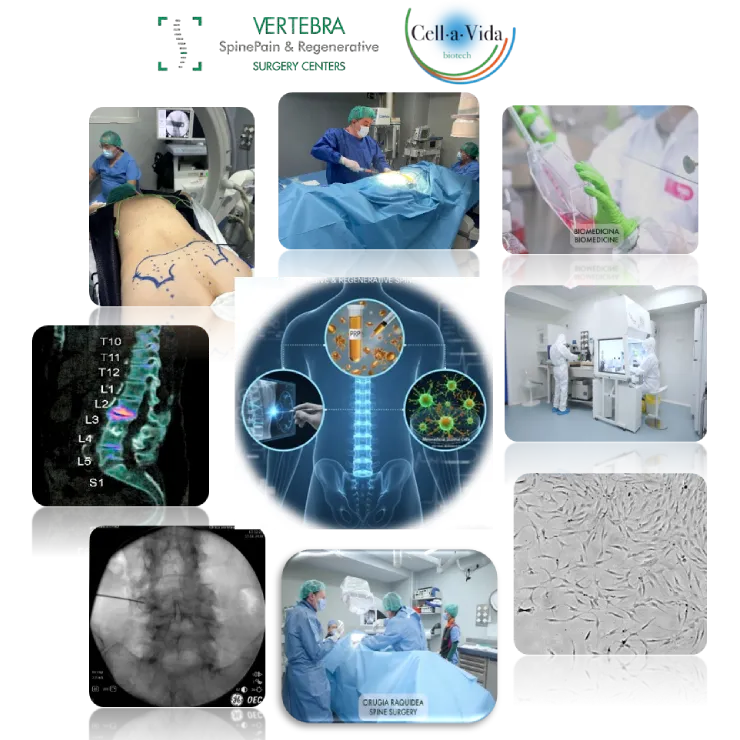
Cell therapies
Cell therapy is a branch of regenerative medicine that involves transplanting human cells to replace or repair damaged tissues and cells. Depending on the objective, the cells can come from the patient, a donor, or be modified before administration. While traditional drugs are chemical compounds designed to alter a biological process, cell therapy uses living cells as ‘living medicines’ to treat a specific condition.
Types of cell therapy
- Autologous: the cells come from the patient’s own body.
- Allogeneic: the cells come from a donor.
- Genetically modified cell therapy: cells are modified in the laboratory to improve their function, as is the case with CAR-T therapy for cancer.
- Depending on the therapeutic needs, these can be administered by infusion or injection, local application, or used together with scaffolds in Regenerative Medicine.
How does it work?
The fundamental goal of cell therapy is to introduce healthy, functional cells into the patient’s body. These cells can act in two main ways:
Direct Integration : Cells are grafted into the damaged area and differentiate into the specific tissue needed (e.g., osteocytes to regenerate bone, chondrocytes to repair articular cartilage, or hepatocytes to regenerate the liver).
Paracrine Signaling : Cells act as “biological factories”, secreting growth factors, cytokines, and signaling molecules that instruct the body’s own resident cells to reduce inflammation and begin the repair process through an immunomodulatory effect.
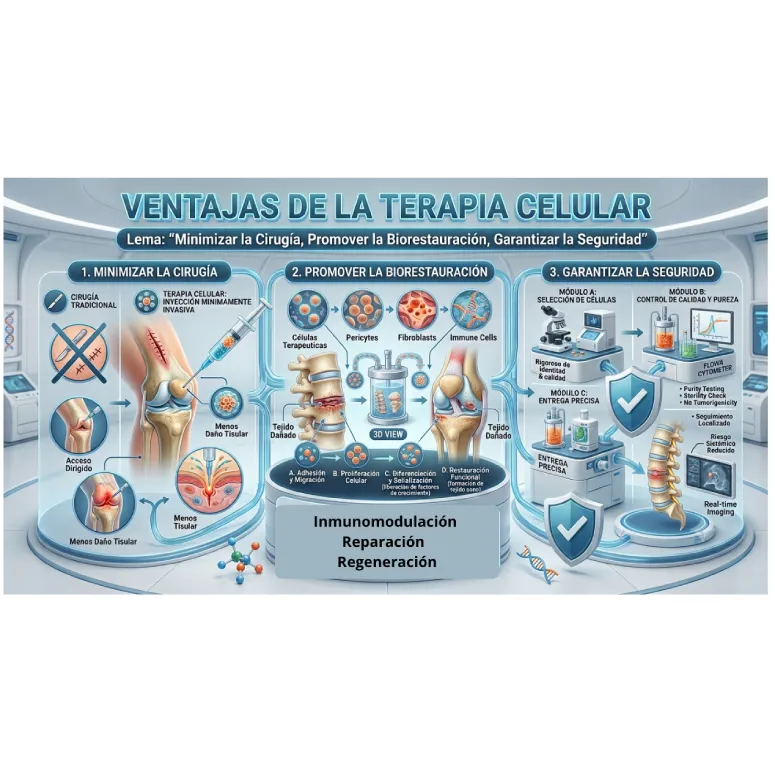
Clinical advantages of cell therapy
Cell therapy represents a paradigm shift for patients suffering from degenerative conditions (such as osteoarthritis or intervertebral disc disease). Instead of simply masking pain with corticosteroids or undergoing joint replacements, cell therapy aims to:
-
Minimizing Surgery : It is often administered through a specific, localized application to the site of the injury.
-
Promoting Biorestoration : It focuses on the underlying cellular damage through immunomodulation and regeneration.
-
Ensuring Safety : Especially when processed under strict GLP (Good Laboratory Practice) and GMP (Good Manufacturing Practice) standards to ensure high performance and sterility.
Cell therapy in modern medicine
Stem Cell Therapy (STEM CELLS, MESEMCHYMAL/STROMAL CELLS): This therapy uses stem cells to replace damaged cells, promote tissue repair, or emit signals that promote healing. Stem cells have the ability to self-renew through multiplication and differentiate into specialized cell types, making them fundamental to regenerative medicine and transplantation.
The main sources of stem cells are embryonic tissue, adult tissues, perinatal tissues, and reprogrammed adult cells. In clinical practice, they can be obtained autologously, allogeneically, or genetically modified in a laboratory.
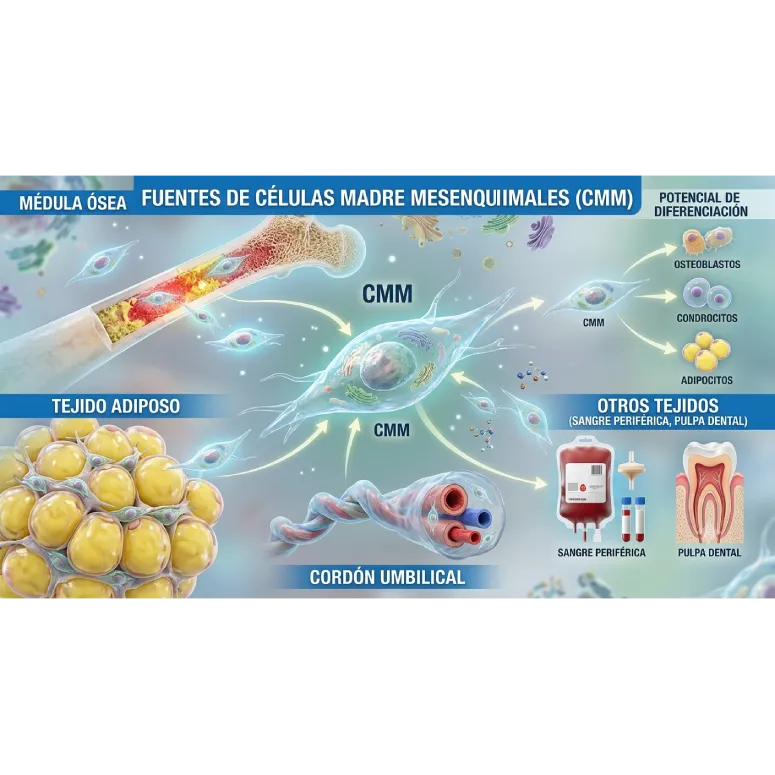
Where stem cells (mesenchymal/stromal cells) are obtained:
Mesenchymal Stem Cells (MSCs) : These are found in various tissue sources, with adipose tissue, bone marrow, and umbilical cord tissue being the most well-known. They are highly versatile and widely used in treatments for joint and spinal conditions, autoimmune diseases due to their potent anti-inflammatory effects, and in various processes related to human aging and longevity.
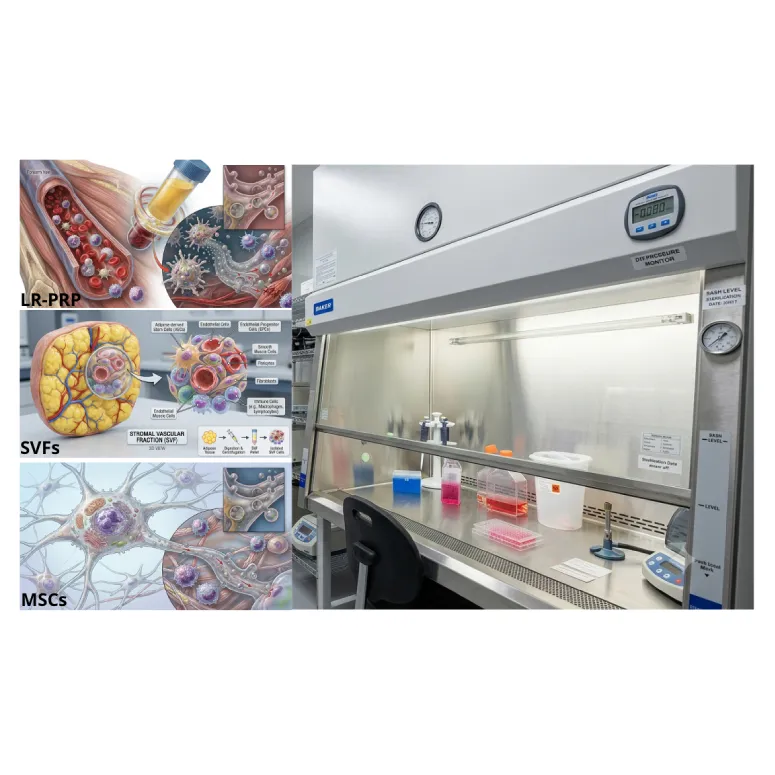
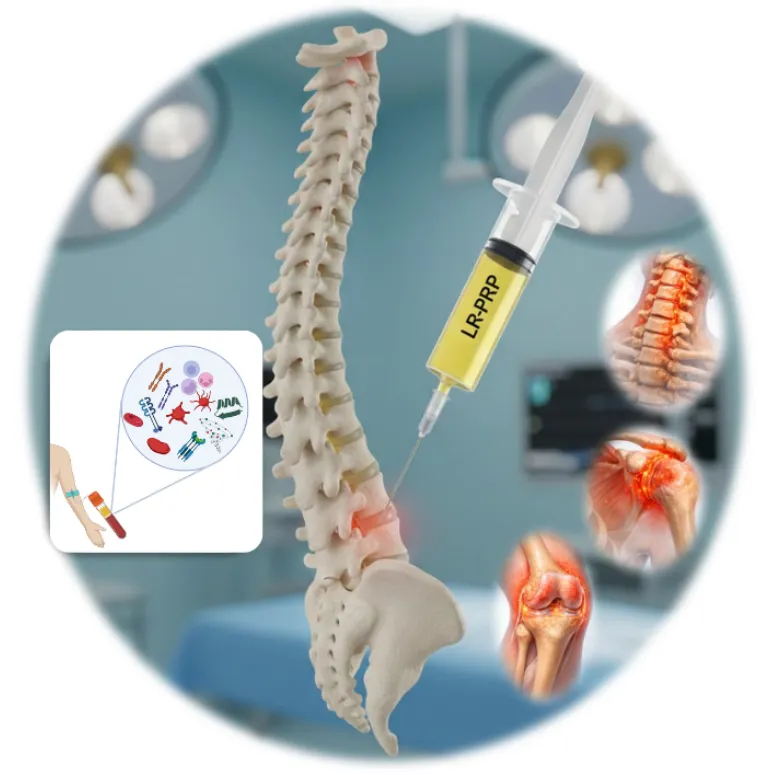
At VERTEBRA SpinePain and Regenerative SURGERY CENTERS , we perform Autologous Cell Therapy with Leukocyte-Rich Platelet-Rich Plasma (LR-PRP), Stromal Vascular Fraction (SVFs) and Mesenchymal Stromal Stem Cells (MSCs), isolated from peripheral blood and adipose tissue.
Hematopoietic Stem Cells (HSCs) : Derived from blood or bone marrow, they are mainly used to treat hematological cancers such as leukemia.
Leukocyte-Rich Platelet-Rich Plasma (LR-PRP) : This is a PRP preparation containing higher levels of white blood cells along with concentrated platelets. Unlike conventional PRP, leukocytes are intentionally retained in LR-PRP. LR-PRP is used in musculoskeletal and regenerative medicine because the presence of leukocytes can contribute to positive inflammatory signaling and wound healing.
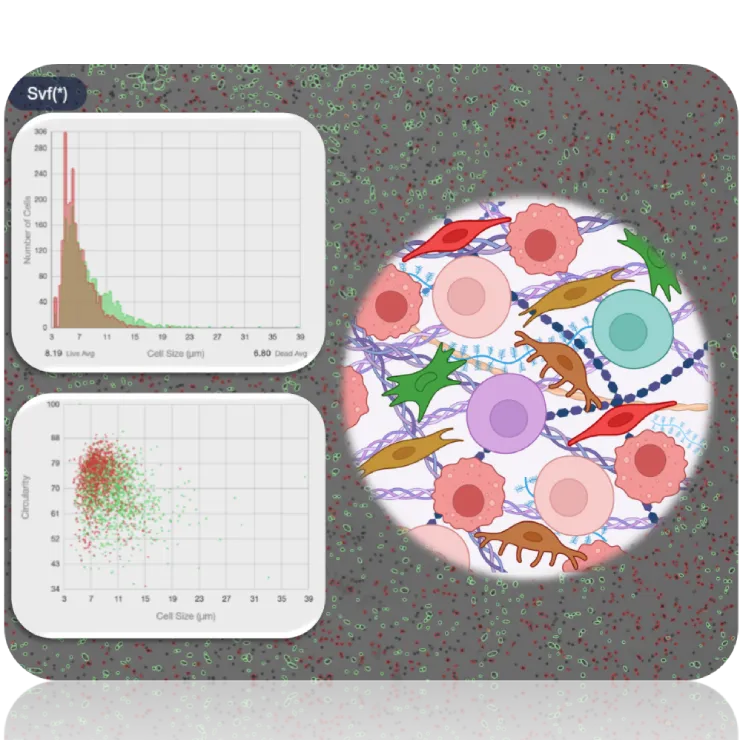
The Stromal Vascular Fraction (SVF) : It is a heterogeneous mixture of cells isolated from adipose tissue that includes MSCs, endothelial cells and immune cells, which work together for rapid vascularization and healing of the tissue.
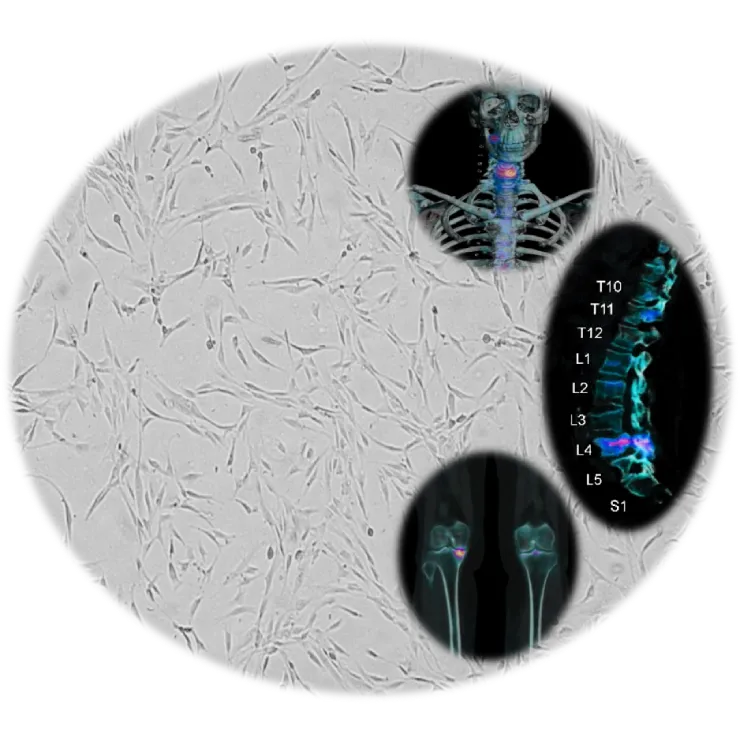
Mesenchymal Stem/Stromal Cells (MSCs) : When SVF is introduced into a cell culture laboratory (cleanroom), a key physical property of MSCs is exploited: their adherence to plastic. By changing the culture media, the other cell types in the SVF are eliminated, leaving only the MSCs.
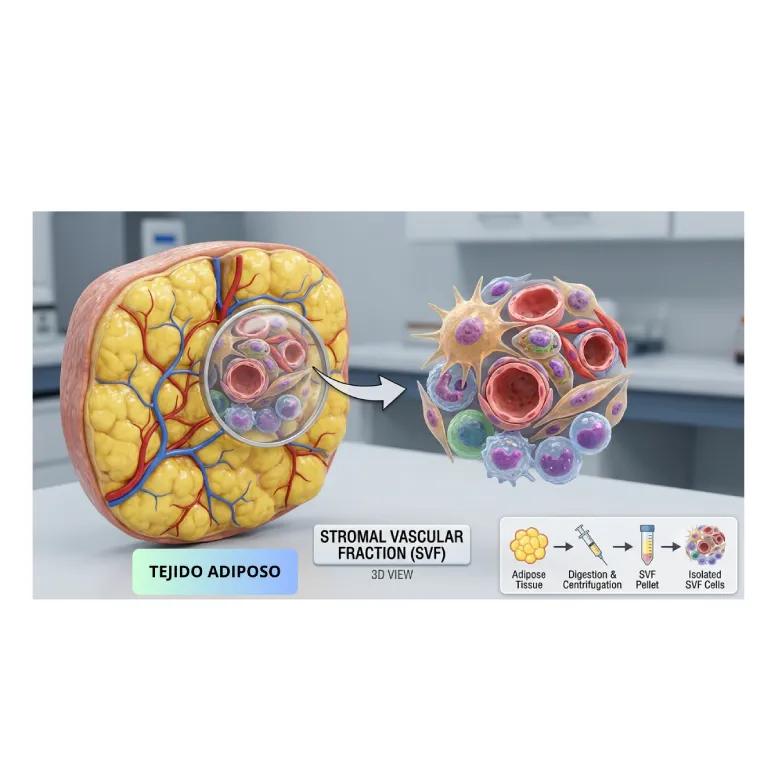
Why adipose tissue?
Autologous Mesenchymal Stem/Stromal Cells (MSCs) and Stromal Vascular Fraction (SVFs) isolated from adipose tissue offer several practical and biological advantages, especially compared to bone marrow-derived MSCs (BM-MSCs).
The main advantages are:
-
Minimally invasive harvesting : Adipose tissue is usually obtained through liposuction, a less invasive technique that generally does not cause complications in the donor area, unlike bone marrow aspiration.
-
High cell yield : Adipose tissue typically provides up to 1000 times more MSCs (AD-MSCs) per gram than bone marrow, facilitating their isolation and expansion.
-
High proliferative capacity : AD-MSCs expand efficiently in culture, which is useful when treatment requires high cell doses.
-
Powerful paracrine activity : They secrete growth factors and other bioactive molecules that promote angiogenesis, wound healing, and tissue repair.
-
Immunomodulatory effects : They have the ability to modulate inflammation, establishing themselves as a fundamental component of Regenerative Therapies.
-
Practical scalability : Being an abundant and easily accessible tissue, it is considered more practical for repeated collections and cell multiplication processes.
-
Immunological safety : As they are the patient's own cells, they avoid standard regulatory hurdles and the need for immunosuppressant drugs (usually required in allogeneic procedures) to prevent graft rejection and secondary complications.
Protocols followed at VERTEBRA SpinePain and Regenerative SURGERY CENTERS for Cell Therapy:
Adipose tissue isolation:
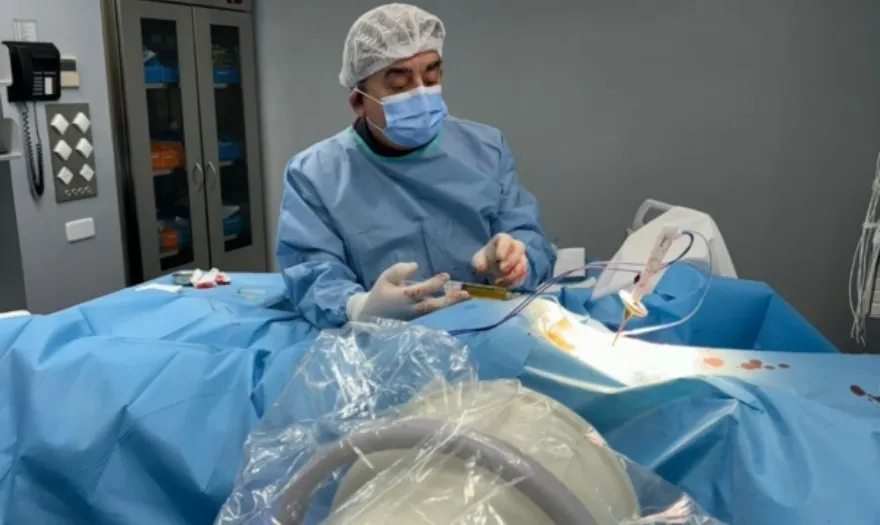
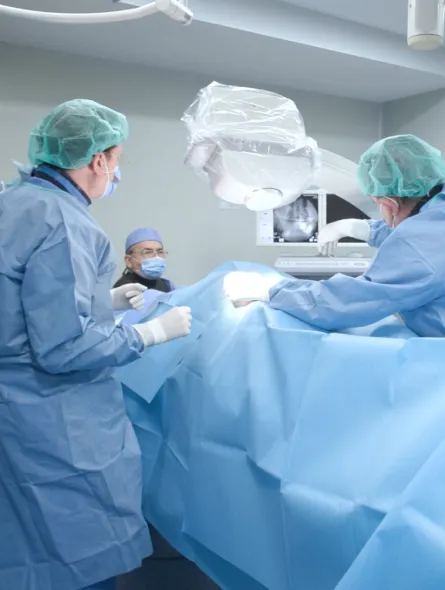
Surgical procedures are performed in the operating rooms of VERTEBRA SpinePain and Regenerative SURGERY CENTERS, equipped with the latest technology, under Monitored Anesthetic Care (ASA II), using intravenous sedation and supplemental nasal oxygen.
Adipose tissue is removed from the upper outer quadrant of both gluteal regions using image-guided tumescent liposuction, with a mixture of saline solution, lidocaine (an anesthetic), and epinephrine (to constrict blood vessels). Unlike conventional liposuction, which often requires general anesthesia, tumescent liposuction is typically performed under sedation, minimizing or eliminating postoperative complications such as nausea and vomiting, as well as significantly reducing blood loss.
Isolation, Culture, Biobanking and Preparation of SVF and MSC for Cell Therapy
The extracted adipose tissue is processed in the Clean Room of VERTEBRA SpinePain and Regenerative SURGERY CENTERS, which has a biosafety level III (BSL-III) and complies with GLP/GMP regulations. Here, the Stromal Vascular Fraction (SVFs) and Mesenchymal Stem/Stromal Cells (MSCs) are isolated, cultured, and cryopreserved.
Isolation and Inoculation of SVF
On the day of extraction, the adipose tissue is processed using GMP-grade reagents to isolate the Stromal Vascular Fraction (SVF) through mechanical and enzymatic digestion. The cell count is verified with an automated digital counter. For the therapeutic phase, one-third of the isolated cells are processed under strict GLP/GMP compliance and transported to the operating room in sterile, labeled, and patient-specific containers. Finally, the cells are combined with autologous Leukocyte-Rich Platelet-Rich Plasma (LR-PRP) and administered to the target sites via image-guided inoculation into the target tissues, which are previously defined using MRI and specifically diagnosed using SPECT-CT imaging.
Cell Expansion and Cryopreservation
The remaining two-thirds of the cell suspension are cultured in the BSL-III Cleanroom to isolate and purify Adipose Tissue-Derived Mesenchymal Stem Cells (AD-MSCs). Following optimized protocols, the cultures are continuously monitored to assess growth kinetics and sterility using microscopic and microbiological assays. Upon reaching the desired cell density, a portion is cryopreserved by programmed freezing at -80 °C in an ultra-low temperature freezer, followed by long-term storage in our Biobank at -196 °C. The remaining cells are expanded for a second intervention, typically scheduled 30 to 45 days later. On the day of treatment, these cells are harvested under strict GLP/GMP aseptic conditions, combined with autologous LR-PRP, and safely administered under image guidance using minimally invasive procedures.
Scheduled Therapeutic Interventions
Future treatments are scheduled based on the patient’s clinical and radiological evolution. Once specific therapeutic needs are determined, the necessary dose of AD-MSCs is calculated and prepared within the BSL-III Cleanroom, strictly adhering to GLP/GMP standards.
Trust and Transparency for the Patient
Quality Assurance: Every material and consumable used in our process meets strict GMP quality standards. The entire procedure is performed under GLP guidelines in compliance with GMP. Microbiological sterility tests are conducted at regular intervals to ensure maximum safety, asepsis, and efficacy of Cell Therapy.
Treatment Certificate
At the end of treatment, each patient receives a Cell Therapy Certificate with a barcode. This document provides full traceability and transparency, detailing the processing metrics and quality controls of their specific biological sample.
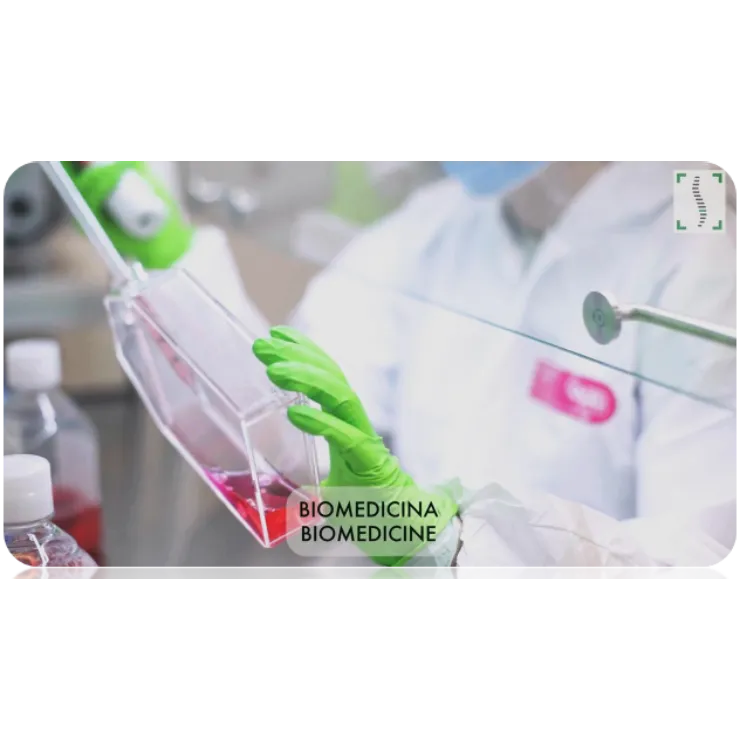
Our regenerative medicine facilities
Own Operating Room and Clean Room : We have a state-of-the-art Clean Room with Biosafety Level III (BSL-III) in our own facilities, which eliminates the risks associated with transport or transfer by third parties.
GMP/GLP Compliance : Every protocol and reagent used strictly follows Good Manufacturing Practices (GMP) and Good Laboratory Practices (GLP) standards.
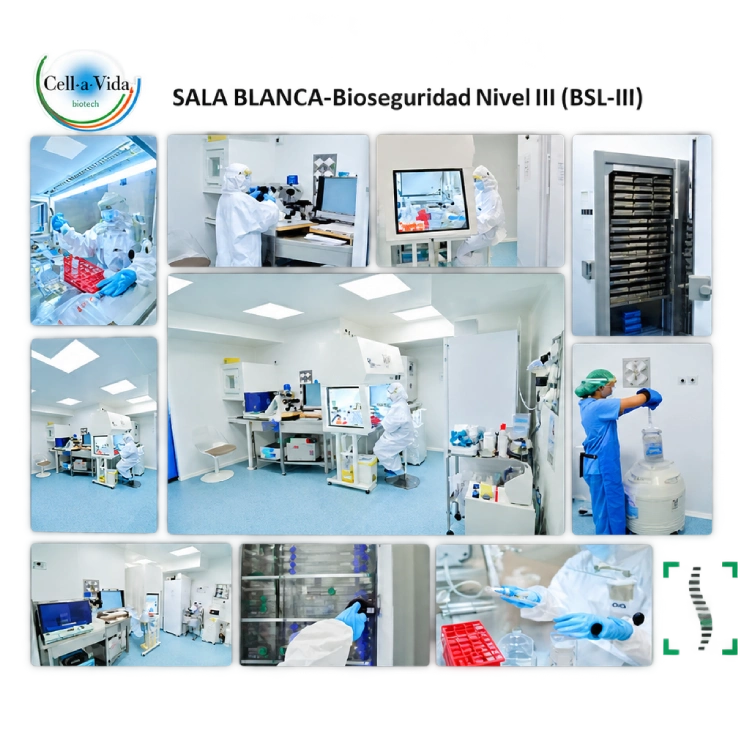
Sterility and Monitoring : We perform continuous monitoring and rigorous testing at every stage of the process to guarantee 100% sample integrity.
Biobank for the Future : We offer long-term preservation of your cells for more than 10 years in our Biobank facilities, allowing for future expansions and subsequent treatments without the need for new adipose tissue extractions.
Equipment: We use top-of-the-line equipment to maintain the highest standards of excellence.
Clinical applications
Herniated disc
Deterioration of the intervertebral discs can cause a protrusion that inflames the nerve roots, resulting in radiating pain and potential neurological problems.
Regenerative medicine and cell therapies are used as minimally invasive biological injections for pain related to herniated discs, primarily to reduce inflammation and promote tissue repair. They are generally considered for patients who wish to avoid or delay surgery and who do not have severe neurological deficits. The benefits are typically described as pain reduction, improved function, and gradual recovery over weeks or months. Because it is an autologous therapy, the risks of adverse effects and postoperative complications are extremely low.
Lower back pain and sciatica
Lower back pain is synonymous with “lumbalgia” and “lumbago.” It refers to pain in the lower back, from the bottom of the ribs to the buttocks.
Sciatica: When lower back pain radiates to the lower extremities, it is popularly known as “sciatica”.
Regenerative medicine and cell therapies are being extensively explored as complementary options for lower back pain and sciatica, especially when the origin is related to disc degeneration or inflammation of spinal tissues. Their aim is not only to relieve pain, but also to promote the reduction of inflammation and the repair and regeneration of the tissues involved (connective and neural).
Lumbar stenosis
Lumbar spinal stenosis is the narrowing of the spinal canal in the lower back, which compresses nerve roots and can cause leg pain, numbness, weakness, and difficulty walking; it usually develops gradually with age. Symptoms include leg pain, cramping, tingling, or weakness brought on by standing or walking, and relieved by sitting or bending forward. Severe compression can cause bladder or bowel dysfunction, or progressive neurological deficits requiring urgent medical attention.
Regenerative medicine and cell therapy aim to repair underlying degeneration, reduce inflammation around compressed nerves, and potentially repair small tears in spinal discs or strengthen lax ligaments. Studies show that LR-PRP can be effective for pain relief and functional improvement, especially when combined with mesenchymal stem cell (MSC) therapy, which involves injecting MSCs into the disc or cavity to help regenerate damaged cartilage and disc material.
Vertebral fractures
Vertebral fractures are breaks in the bones that make up the spine (vertebrae). These can range from small compression fractures (common in cases of osteoporosis) to high-energy burst fractures or fracture-dislocations that can compromise the spinal cord or nerves. They cause acute back pain and kyphosis, and if left untreated, can lead to radiculopathy, weakness, or bladder and bowel dysfunction.
For patients who are not candidates for spinal cementation and whose pain is not controlled with available medication, regenerative medicine and cell therapy are options. When administered to the vertebral body, these therapies stimulate bone formation and modulate inflammation, restoring bone mass, strength, and spinal stability.
Neck pain
Neck pain refers to pain felt in the back and sides of the neck, the upper part of the shoulders, and very often the back of the head and the head (headache). It can extend to the area between the shoulder blades. It is a very common type of pain, even among young people.
Cervicobrachialgia
This occurs when neck pain is accompanied by pain in the arm, forearm, hand, and fingers. Neck pain can be very intense and radiate down the arm. Sometimes, the radiating pain in the arm or hand is so severe that it overwhelms the neck pain itself, potentially becoming highly debilitating.
Regenerative Medicine and Cell Therapy
These therapies target discogenic pain, facet joint arthropathy, ligament injuries, and inflammatory pain around the cervical structures. By releasing growth factors, they stimulate cellular repair and reduce inflammation in facet joints and ligaments. In more advanced degenerative cases, they activate a regenerative process in deep tissues.
Sacroiliac pain
The sacroiliac (SI) joint is a common, though often overlooked, source of lower back and buttock pain, accounting for 15% to 30% of cases of chronic nonspecific low back pain. Because the primary function of the sacroiliac joint is to act as a shock absorber between the spine and pelvis, any dysfunction in this area can significantly impair mobility.
Regenerative Medicine and Cell Therapy aim to stabilize the sacroiliac joints and ligaments by immunomodulating the biological response, thereby reducing inflammation and promoting the repair and regeneration of affected tissues.
Back pain
The thoracic spine is located between the end of the cervical spine and the ends of the ribs. Pain in this region may be limited to the back or radiate to the front of the chest. It is usually due to degenerative or inflammatory conditions of the thoracic spine. Pain caused by fractures of the thoracic vertebrae is also common, especially in the presence of osteoporosis.
Regenerative medicine and cell therapy aim to reduce inflammation in affected structures, thereby inhibiting nerve compression. They also facilitate healing by promoting repair and regeneration in areas with degenerative processes or potential fractures.

Sports and joint injuries
Meniscus, Chronic Tendinitis, Osteoarthritis of the Knee, Hip and Shoulder
Regenerative Medicine and Cell Therapy represent a change of approach: from simply "managing" sports injuries to actively repairing them using the body's own biological toolkit.
In meniscus injuries : Cell therapy can be applied over the tear (often using scaffolds) to stimulate fibrocartilage repair, especially in areas where the natural blood supply is too scarce to allow self-healing.
In cases of chronic tendinitis : Such as Achilles or patellar tendinopathy, Cell Therapy provides a concentrated surge of growth factors that restarts the healing process in inactive collagen tissues, transforming a chronic degenerative state into a new one of acute healing.
For osteoarthritis of the knee, hip, and shoulder : Cell therapies work by modulating the intra-articular environment. They reduce pro-inflammatory cytokines and can help preserve existing hyaline cartilage, significantly delaying the need for total joint replacement by improving lubrication and the structural integrity of the joint.

Regenerative medicine in modern dermo-cosmetics
Regenerative medicine is revolutionizing the dermocosmetic industry by shifting the focus from "filling" wrinkles to "rebuilding" the skin at a cellular level. Instead of using synthetic materials, these therapies leverage biological markers to stimulate the body's natural repair mechanisms.
Applications in Modern Aesthetics:
Remodeling of fibrotic tissue in acne scars or surgical marks to create a smoother, more even skin surface.
Use of cell signals to prolong the anagen (growth) phase of hair follicles and reactivate dormant follicles in cases of density loss.
Regulation of melanocyte activity through paracrine signaling to treat melasma and sunspots.
Scientific dissemination
At our Center, we understand that the true value of medical innovation is only realized when it is shared. In addition to providing excellent patient care and driving scientific advancement in the field of Regenerative Medicine and Surgery, we are deeply committed to global progress through active participation in scientific outreach programs, scientific publications, and presentations at International Societies in the field (WIP, WIRM, ISSCR, etc.).
The advances we achieve at our facilities have the potential to transform lives far beyond our immediate patient base. Through rigorous documentation of our clinical results and participation in academic exchange, we ensure that our progress is transparently available to the international scientific community. Through this synergy between elite clinical practice and open scientific contribution, we aspire to raise the standard of care for regenerative therapies globally.
Collaborations with Public and Private Universities:
Teaching
Vertebra SpinePain and Regenerative SURGERY CENTERS collaborates through teaching activities at several universities on different continents:
University of Barcelona (UB). Barcelona, Catalonia, Spain.
Semmelweiss University. Budapest, Hungary.
National Taiwan University. Medical College Hospital. Taipei, Taiwan (ROC)
National Seoul University. Seoul, South Korea.
Abaçidem University. Istanbul, Türkiye.
Texas TechUniversity. Lubbock, Texas, USA
New York & New Jersey Pain Societies. Albert Einstein Med. College. NY, USA
World Institute of Pain. NC, USA
Practical training
We also welcome students from both public and private universities, providing the essential practical training needed to pursue a career in the scientific field.
Latest Scientific Communications at National and International Congresses and Conferences
1. One Man Show. Vol IV. Symposium Split 2026, Split, Croatia, May 18-21, 2026
Talk Title: Advances in technology and clinical applications of mesenchymal stem cells from adipose tissueDr. RICARDO RUIZ – LOPEZ MD, PhD, Neurosurgery, FIPP
2. World Institute of Regenerative Medicine (WIRM) 1st World Congress, San Francisco, California, USA, April 23-25, 2026.
Talk Title: Advances in technology and clinical applications of mesenchymal stem cells from adipose tissue
Dr. RICARDO RUIZ – LOPEZ MD, PhD, Neurosurgery, FIPP
3. 28th Annual Gabor Racz Advanced Interventional Pain Conference and Workshop. Budapest, Hungary from August 25-27, 2025.
Talk Title: Translational clinical research and regenerative science.
Dr. RICARDO RUIZ – LOPEZ MD, PhD, Neurosurgery, FIPP
4. The International Division of The American Society of Pain & Neuroscience ISPN, Ultrasound & Regenerative Medicine Workshop, London, October 9-12, 2025.
Talk Title: Adipose-Derived Cell Preperations: Practical Realities-Tumescent harvest, minimal manipulation, yield/quality.
Dr. RICARDO RUIZ – LOPEZ MD, PhD, Neurosurgery, FIPP
5. 14th Annual New York & New Jersey Pain Medicine Congress, Evolving Advanced Pain Therapies, November 6-9, 2025.
Talk Title: Culturing and Cryopreservation of MSCs from autologous Adipose Tissue.
Dr. RICARDO RUIZ – LOPEZ MD, PhD, Neurosurgery, FIPP
6. XII Congress Spanish Pain Society, León, Spain, 2024.
Talk Title: Usefulness of SPECT-CT in the evaluation of Chronic Spinal Pain: a new diagnostic tool.
Ruiz-Lopez, R., Squarcia, M., Armand R.
Poster Presentations:
1) A New Methodology for delivery of Adipose Tissue Derived-Mesenchymal Stem Cells (AD-MSCs) in Spinal and Joint Pathologies Using Advanced SPECT-CT Imaging.
Ricardo Ruiz-Lopez, Tony Paul, Mattia Squarcia
2) Epidural Administration of Adipose Tissue Derived- Mesenchymal Stem Cells (AD-MSCs) for Guillain-Barré Syndrome: A follow-up Report of a First ever-Human Clinical Case.
Ricardo Ruiz-Lopez, Tony Paul
3) Optimized Isolation and Expansion of Adipose Tissue derived-Mesenchymal Stem Cells (AD-MSCs) and Stromal Vascular Fractions (SVFs): Enhancing Cell Yield, Quality, and Therapeutic Compatibility through Improved Processing and Xeno-Free Transition.
Tony Paul. MDS, MSc, PhD (Biomedicine), Ricardo Ruiz-Lopez. MD, Neurosurgery, FIPP, Heeyon Lee. BSc. (Cellular Biology), Irene Garcés Lázaro. PhD (Cellular Biology).
4) SPECT-CT as an Advanced Diagnostic tool for Localizing Metabolic Hot Spots Guiding Precision Minimally Invasive and Regenerative Therapies for Spinal and Joint Pathologies: A Retrospective Study.
Ricardo Ruiz-Lopez, Mattia Squarcia, Tony Paul
5) Surgical Methodology for Subchondral Application of Adipose Tissue Derived-Mesenchymal Stem Cells (AD-MSCs) into Major Joints.
Ricardo Ruiz-Lopez, Tony Paul, Mattia Squarcia, Joana Flores
Recent Awards:
2nd Best Poster award : A New Methodology for delivery of Adipose Tissue Derived-Mesenchymal Stem Cells (AD-MSCs) in Spinal and Joint Pathologies Using Advanced SPECT-CT Imaging.
Ricardo Ruiz-Lopez, Tony Paul, Mattia Squarcia
VERTEBRA SpinePain and Regenerative SURGERY CENTERS.
World Institute of Regenerative Medicine (WIRM) 1st World Congress, San Francisco, California, USA, April 23-25, 2026.
3rd Best Poster award : Optimized Isolation and Expansion of Adipose Tissue derived-Mesenchymal Stem Cells (AD-MSCs) and Stromal Vascular Fractions (SVFs): Enhancing Cell Yield, Quality, and Therapeutic Compatibility through Improved Processing and Xeno-Free Transition.
Tony Paul. MDS, MSc, PhD (Biomedicine), Ricardo Ruiz-Lopez. MD, Neurosurgery, FIPP, Heeyon Lee. BSc. (Cellular Biology), Irene Garcés Lázaro. PhD (Cellular Biology).
VERTEBRA SpinePain and Regenerative SURGERY CENTERS.
World Institute of Regenerative Medicine (WIRM) 1st World Congress, San Francisco, California, USA, April 23-25, 2026.
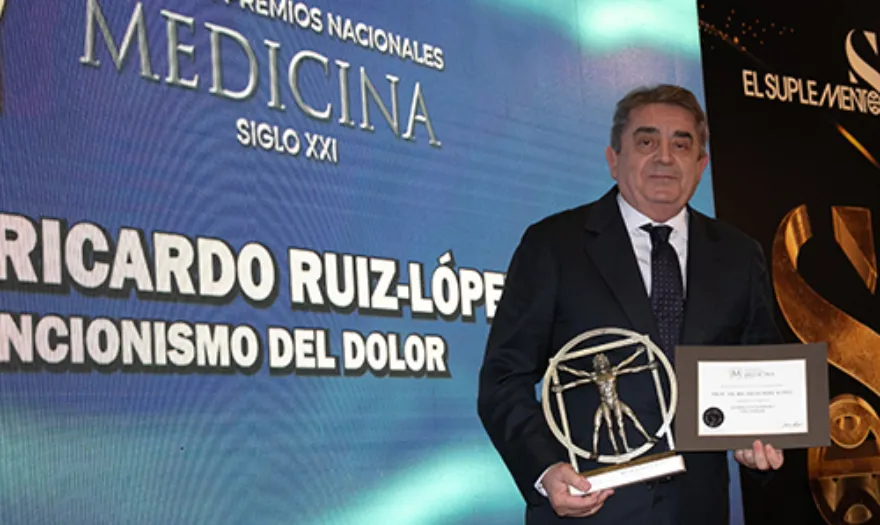
2025: 21st Century National Award in Pain Intervention
2024: 21st Century National Award in Neurosurgery
Recent Scientific Publications: Springer (In-Press)
Book Title: Regenerative Medicine in Degenerative Spine
Editors: Diwan S., Abd-Elsayed A, Beall D, Navani A, Vardhan S,
Ruiz-Lopez, R.
Chapters:
1) ADVANCES IN CULTURING AND CRYOPRESERVATION OF MSCs
Ricardo Ruiz-Lopez1, Irene Garcés2, Tony Paul3
1,2&3 VERTEBRA SpinePain and Regenerative SURGERY CENTERS, Barcelona- Madrid, Spain.
2) APPLICATIONS AND CLINICAL EVIDENCE OF BIOLOGICS ONTO THE EPIDURAL CAVITY
Yu-Chuan Tsai1, Ricardo Ruiz-Lopez2
1Department of Pain Management, E-Da Cancer Hospital, Kaohsiung, Taiwan ROC.
2 VERTEBRA SpinePain and Regenerative SURGERY CENTERS, Barcelona- Madrid, Spain.
3) CLINICAL COMPLICATIONS IN REGENERATIVE MEDICINE
Ricardo Ruiz-Lopez1, Mattia Squarcia2, Tony Paul3
1,2&3 VERTEBRA SpinePain and Regenerative SURGERY CENTERS, Barcelona- Madrid, Spain.
4) INDUCED PLURIPOTENT STEM CELLS IN INTERVERTEBRAL DISC DEGENERATION: A REGENERATIVE MEDICINE PERSPECTIVE
Ricardo Ruiz-Lopez1, Jen-Li Pan2
1 VERTEBRA SpinePain and Regenerative SURGERY CENTERS, Barcelona- Madrid, Spain.
2 PAN Regenerative Pain Clinic, Taipei City, Taiwan, ROC
5) REGULATIONS OF STEM CELL BANKING (USA, EUROPE, ASIA), RISKS AND MAINTENANCE
Ricardo Ruiz-Lopez1, Tony Paul2
1&2 VERTEBRA SpinePain and Regenerative SURGERY CENTERS, Barcelona- Madrid, Spain.
6) THERAPEUTIC INNOVATIONS AND INTERACTION OF ADVANCED THERAPIES
Maria Judit Molnar1, Ricardo Ruiz-Lopez2
1 Institute of Genomic Medicine and Rare Disorders, Semmelweis University, Budapest, Hungary.
2 VERTEBRA Spine Pain and Regenerative SURGERY CENTERS, Barcelona- Madrid, Spain.
Recent Relevant Articles
Discogenic Low Back Pain . Wouter KM van Os, Ruiz-Lopez R et al. Pain Practice. 2025; Vol 25:7.
A randomized double-blind controlled pilot study comparing leukocyte-rich platelet-rich plasma and corticosteroid in caudal epidural injection for complex chronic degenerative spinal pain . Ruiz-Lopez R, Tsai Yu-Chuan Pain Practice 2020; 20: 639-646.
Contact us and regain your quality of life

Medical advances in Regenerative Surgery