Pain intervention

Spinal Cord Neurostimulation

Spinal cord stimulation, also known as posterior column stimulation of the spinal cord, is an advanced neuromodulation technique used for the treatment of refractory chronic pain in carefully selected patients.

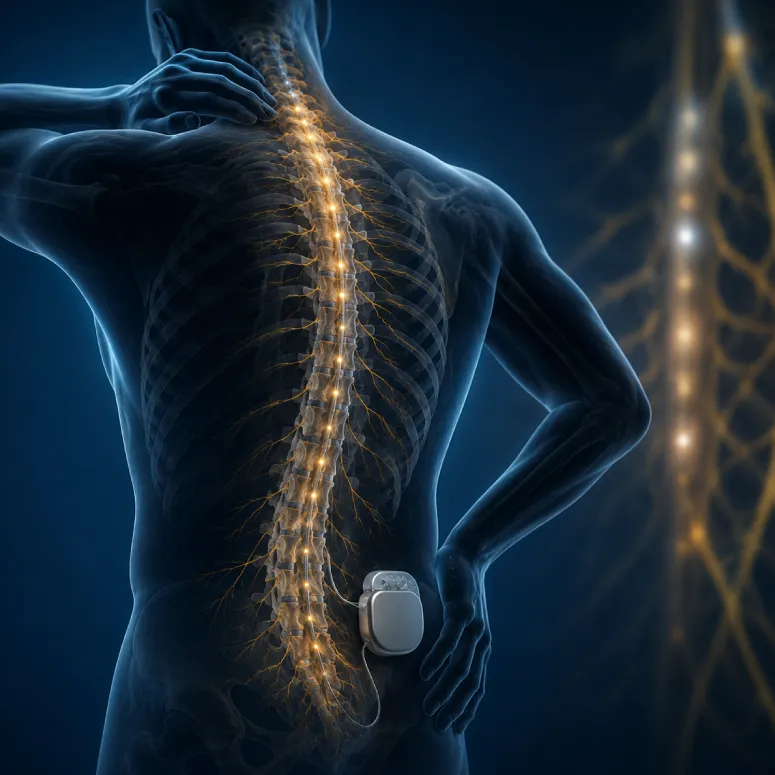
This treatment is based on the application of controlled electrical impulses to specific nerve structures in the spinal cord, with the aim of modulating the transmission of painful signals before they reach the brain.

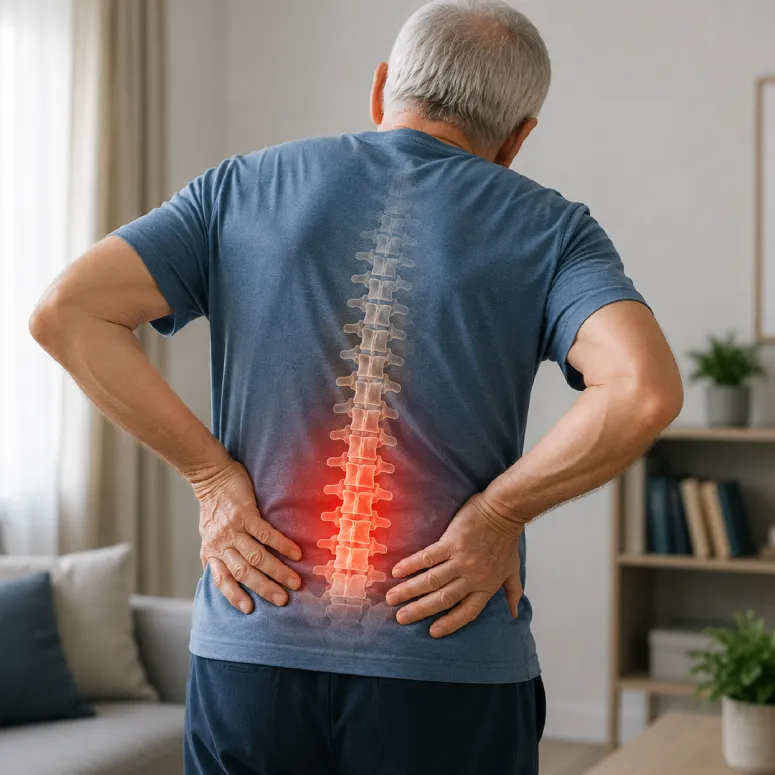
Spinal cord stimulation is currently one of the most advanced and effective therapies within the interventional treatment of chronic pain, especially in those patients in whom conventional pharmacological, rehabilitative and minimally invasive treatments have failed.

neuroestimulación medular
Neuroestimulación Medular

How does spinal cord neurostimulation work?

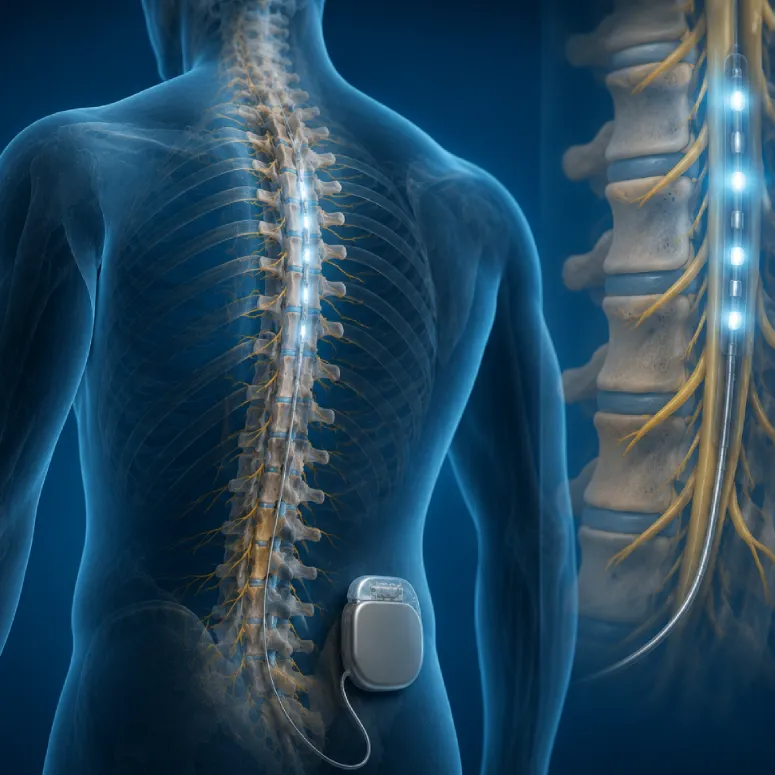
The system consists of one or more electrodes implanted in the epidural cavity of the spinal column and connected to an implantable pulse generator located under the skin.

The generator emits low-intensity electrical impulses that act on the nerve pathways involved in pain transmission. Depending on the type of stimulation used, the patient may perceive a pleasant tingling sensation that partially replaces the pain or, in the most advanced high-frequency systems, obtain analgesic relief without any paresthesia.

Current devices allow for highly customized programming and remote adjustment of therapeutic parameters through external control systems.

intervencionismo dolor

High Frequency Neurostimulation Systems

Currently, there are advanced high-frequency spinal cord neurostimulation systems capable of providing pain relief without causing tingling or cramps, improving patient comfort and expanding therapeutic possibilities.

These systems are especially indicated in the treatment of refractory chronic pain of the trunk and limbs, both unilateral and bilateral.

The implementation procedure is usually carried out in two phases:

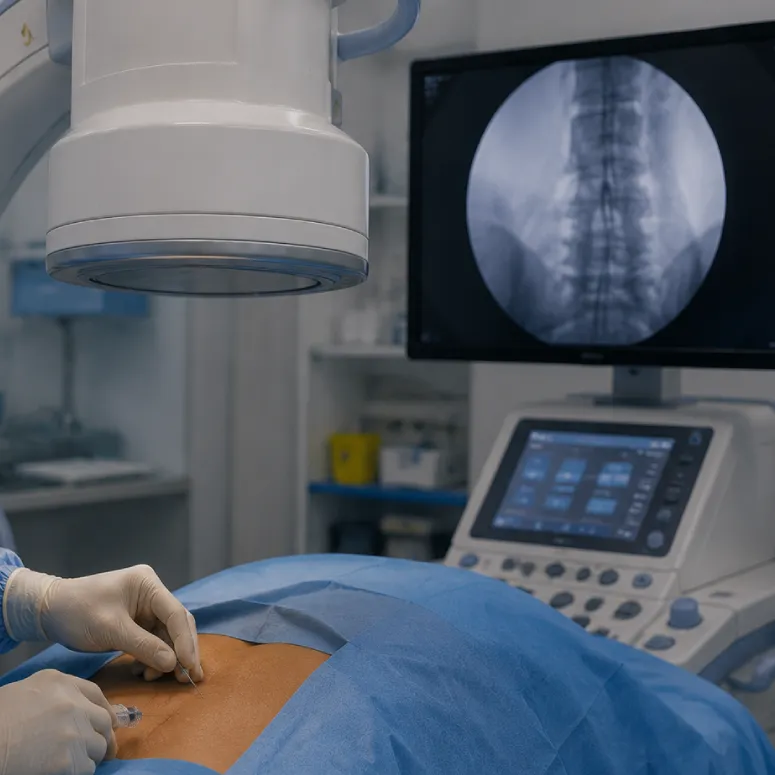
The first phase consists of a temporary trial period intended to verify the clinical effectiveness of the system and the improvement in pain before the final implant.

The procedure is performed under intravenous sedation and local anesthesia. Using high-precision radiological guidance, one or more electrodes are implanted in the cervical, thoracic, or lumbar epidural space, depending on the location of the pain.

The electrodes are temporarily connected to an external stimulator that the patient will use for several days or weeks, allowing the clinical response to be evaluated and the stimulation programming to be optimized.
If the testing phase is successful, the pulse generator is then permanently implanted.

The procedure is also performed under sedation and local anesthesia. The implantable generator, similar in size to a pacemaker, is usually placed under the skin of the abdomen, buttocks, or chest, depending on the patient’s anatomical characteristics and preferences.

The system is fully implanted under the skin and can be programmed later using external remote control devices.

During the first few weeks after implantation, progressive adjustments of the stimulation parameters may be necessary to optimize pain control.

estenosis canal lumbar

Spinal cord neurostimulation may be indicated in selected patients with:

  • Failed back surgery syndrome
  • Lumbar or cervical pain radiating to extremities
  • Complex Regional Pain Syndrome (CRPS)
  • Refractory chronic neuropathic pain
  • Ischemic pain in lower extremities
  • Selected refractory angina
  • Certain complex neuropathic pain syndromes

Most patients experience a significant improvement in pain, functionality, and quality of life after the implantation of a spinal cord neurostimulation system.

The treatment may allow for a reduction in the consumption of analgesic medication and improve functional capacity and nighttime rest in appropriately selected patients.

After the implant, the patient receives specific instructions on physical activity, periodic check-ups and use of the remote control system.

At VERTEBRA SpinePain & Regenerative SURGERY CENTERS we have a specialized unit in advanced neuromodulation and interventional pain treatment, offering state-of-the-art technologies for patients with complex chronic pain and refractory pathologies of the spine and nervous system.

Contact us and regain your quality of life