

Pathologies
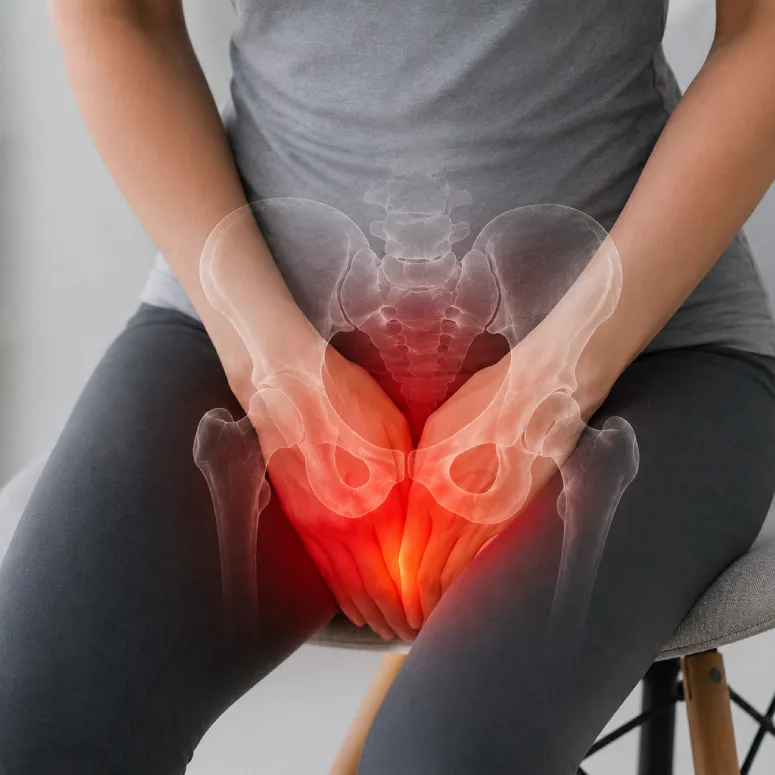
Pelvic and Perineal Pain
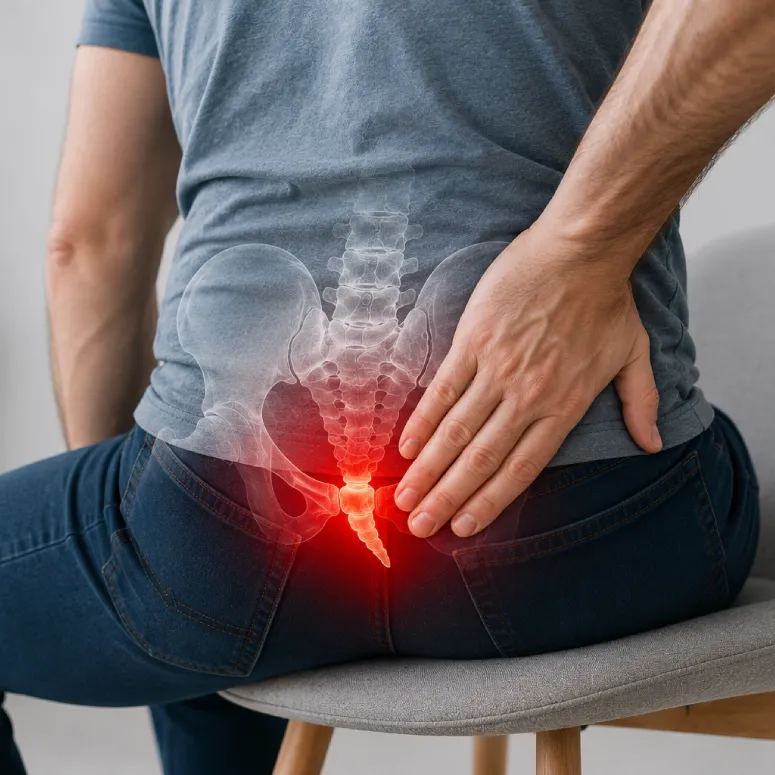

Chronic Pelvic and Perineal Pain
Chronic pelvic and perineal pain is a complex, multifactorial condition that can profoundly affect a patient’s quality of life, physical function, sleep, emotional well-being, and sexual life.
It is characterised by persistent pain located in the pelvis, perineum, genital, anal, suprapubic, or gluteal regions, often associated with neurological, muscular, visceral, or musculoskeletal disorders.
The pain can affect both men and women and, in many cases, may coexist with nerve sensitisation and chronic neuropathic pain.
Due to the anatomical and functional complexity of the pelvis, diagnosis and treatment require a highly specialised multidisciplinary approach.

Which Structures Can Cause the Pain?
The pelvis contains a complex network of muscular, nervous, joint, and visceral structures that can become sources of pain.
The most common causes include:
- Pudendal neuralgia
- Pelvic floor myofascial pain syndrome
- Pelvic neuropathic pain
- Sacroiliac and coccygeal disorders
- Pelvic nerve entrapment
- Post-surgical or post-traumatic pain
- Endometriosis and gynaecological disorders
- Bladder pain syndrome
- Chronic prostatitis and male pelvic pain
- Lumbar and pelvic musculoskeletal disorders
- Pelvic fibrosis and adhesions
In many patients, several pain mechanisms coexist simultaneously.

What Are the Most Common Symptoms?
Symptoms can vary considerably depending on the affected structure and the degree of nerve sensitisation.
The most common symptoms include:
- Perineal or genital pain
- Anal or rectal pain
- Suprapubic or deep pelvic pain
- Burning or electric shock sensations
- Pain when sitting
- Pain during sexual intercourse
- Urinary or bowel disturbances
- Pain radiating towards the buttocks or lower limbs
- Pelvic hypersensitivity
- Pelvic floor muscle spasms and tension
In many patients, the pain becomes chronic and has a significant functional and emotional impact.
Specialised Diagnosis and Precision Medicine
The diagnosis of pelvic and perineal pain requires a comprehensive, highly specialised assessment aimed at accurately identifying the structures responsible for the pain.
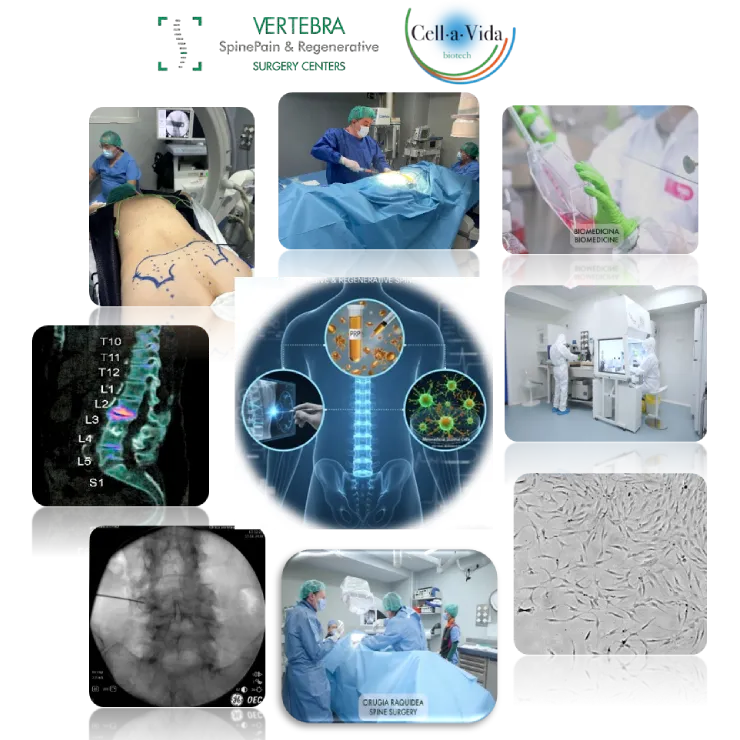
Advanced Treatment of Pelvic and Perineal Pain
At Clínica VERTEBRA, we provide a comprehensive, multidisciplinary approach using advanced medical, rehabilitative, interventional, and regenerative treatments.
The available treatment options include:
- Specialised pharmacological treatment for neuropathic pain
- Advanced pelvic floor physiotherapy
- Functional rehabilitation and myofascial treatment
- Ultrasound-guided nerve blocks
- Pulsed radiofrequency and neuromodulation
- Treatment of the pudendal nerve and pelvic nerves
- High-precision muscular and perineal injections
- Regenerative medicine and biological therapies
- Advanced neuromodulation and nerve stimulation
- Minimally invasive image-guided techniques
Our aim is to reduce pain, improve function, and restore the patient’s quality of life through precise, minimally invasive treatments tailored to each clinical situation.
At VERTEBRA SpinePain & Regenerative SURGERY CENTERS, we have a highly specialised unit dedicated to pelvic pain, complex neuropathies, and advanced image-guided interventions. We offer personalised treatments using techniques that provide maximum precision and minimal invasiveness.
Our aim is to relieve pain, restore function, and significantly improve the patient’s quality of life through a comprehensive, highly specialised approach.
For the past four decades, Clínica VERTEBRA has pioneered the implementation and development of advanced minimally invasive techniques, earning international recognition.
Contact us and regain your quality of life
