

Pain intervention
Epidural Adhesiolysis Due to Adhesions – Caudal Neuroplasty
Epidural Adhesiolysis or Caudal Neuroplasty is an advanced, minimally invasive technique intended for the treatment of chronic lumbar and radicular pain associated with epidural fibrosis, perineural adhesions, and nerve root entrapment.
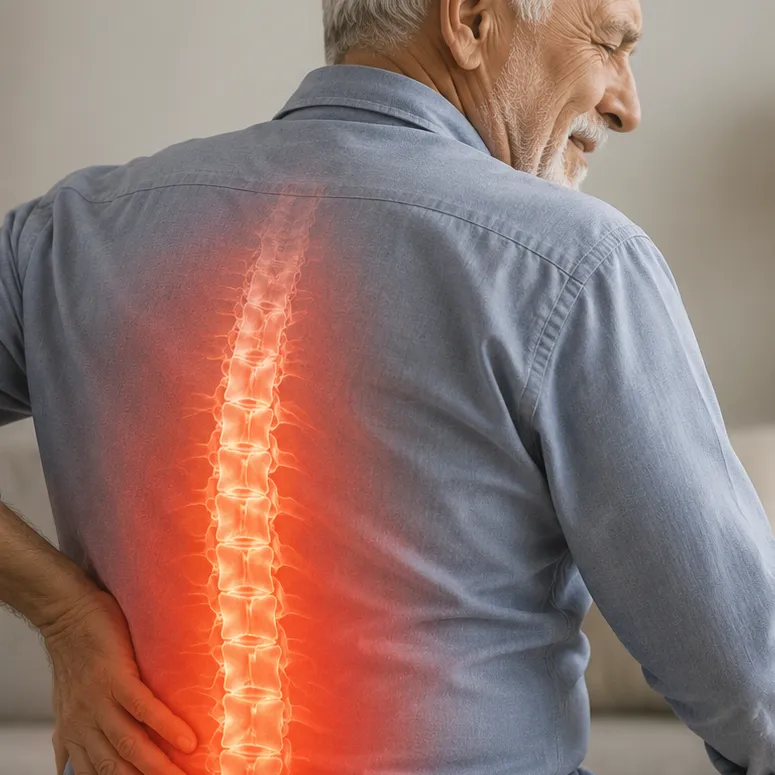
This procedure is especially indicated in patients with persistent pain after spinal surgery, failed back surgery syndrome, lumbar spinal stenosis, post-surgical epidural fibrosis, herniated discs, and chronic radiculopathies refractory to conservative treatments.
The aim of the technique is to release the adhesions and fibrosis surrounding the nerve roots and epidural structures, partially restoring neural mobility and allowing for more effective and targeted administration of anti-inflammatory and analgesic medication.
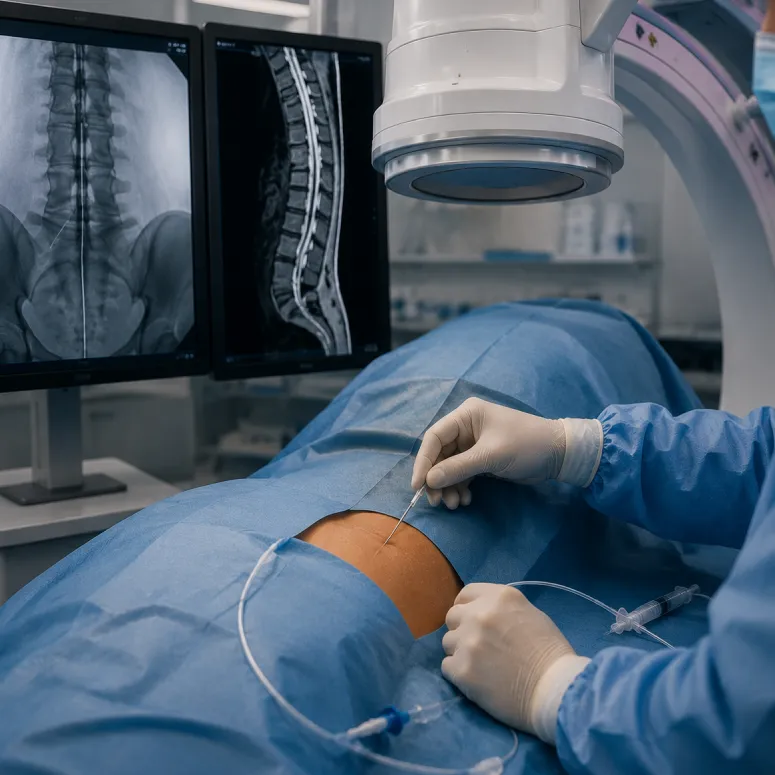
Caudal neuroplasty is performed by introducing a special epidural catheter through the sacral hiatus, accessing the epidural space in a minimally invasive manner.
Under high-precision radiological control, the catheter is directed towards the areas affected by fibrosis or epidural adhesions around the compromised nerve roots.
Through gentle mechanical maneuvers and the controlled administration of specific therapeutic solutions, the aim is to reduce epidural adhesions, decrease inflammation, and improve the release of affected nerve structures.
Treatment may include the administration of local anesthetics, anti-inflammatories, hypertonic saline solutions, and other drugs aimed at controlling pain and neural inflammation.
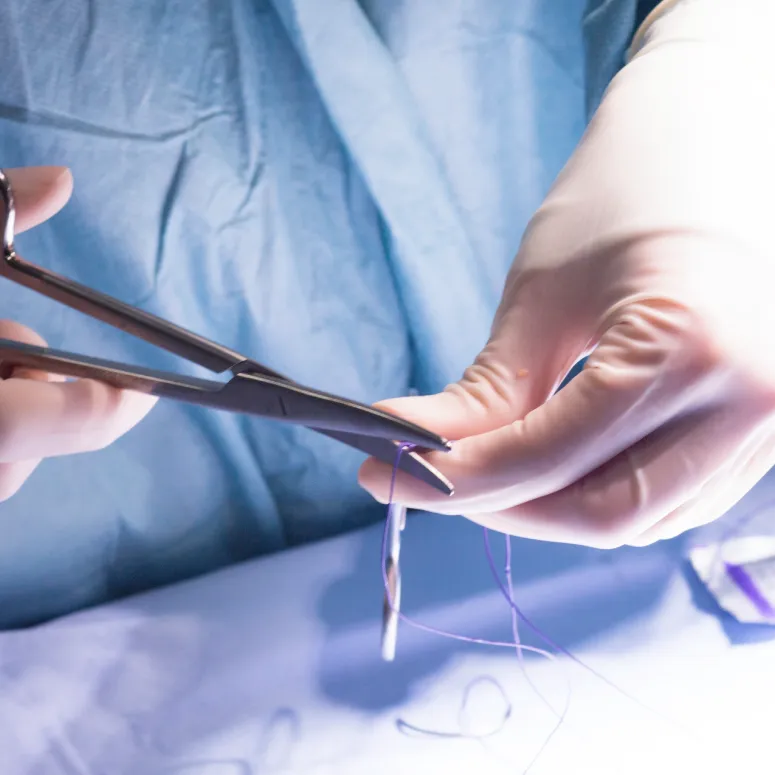
The technique is performed in an operating room under strict sterility measures and continuous fluoroscopic control.
The procedure is performed under intravenous sedation and local anesthesia to ensure maximum patient comfort and safety.
After accessing the epidural cavity through the sacral hiatus, the catheter is carefully inserted until it reaches the areas responsible for the pain and nerve entrapment. Therapeutic adhesiolysis and targeted medication administration are then performed.
Caudal neuroplasty can be especially useful in patients with:
- Post-surgical epidural fibrosis
- Failed back surgery syndrome
- Chronic lumbar radiculopathy
- Persistent sciatica
- Lumbar spinal stenosis
- Selected disc herniations
- Lower back and radicular pain refractory to other treatments
Recovery is usually quick and progressive, allowing the patient to gradually return to their usual activities within a few days.
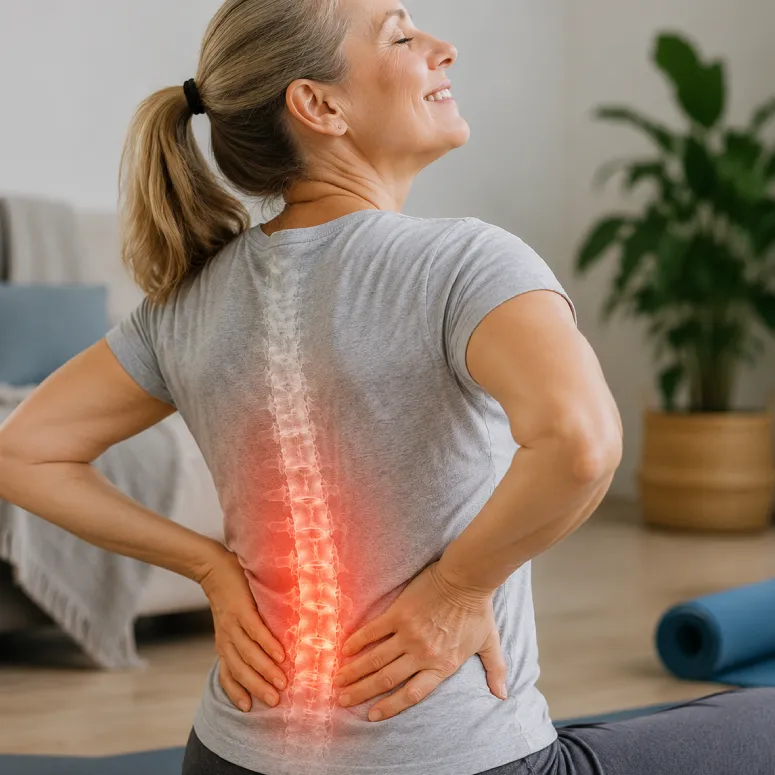
The main advantages of epidural adhesiolysis include:
-
minimally invasive technique
-
Outpatient or short-stay procedure
-
Absence of open surgery
-
Targeted treatment of the affected nerve roots
-
Reduction of inflammation and epidural fibrosis
-
Improvement of lower back and radicular pain
-
Possibility of avoiding further surgeries in selected patients
At VERTEBRA SpinePain & Regenerative SURGERY CENTERS we perform advanced image-guided spinal intervention and neuromodulation techniques, offering personalized and highly precise treatments for chronic spinal pain and complex radicular pathologies.
Contact us and regain your quality of life
