

Spinal pathologies
Sacroiliac Arthropathy
Sacroiliac arthropathy or sacroiliitis is an inflammatory and/or degenerative pathology that affects the sacroiliac joints, located between the sacrum and the iliac bones of the pelvis.
These joints play a fundamental role in the transmission of loads between the spine and the lower extremities, contributing to the stability and biomechanics of the pelvis and lumbar region.
Functional or inflammatory alteration of the sacroiliac joints can become a major cause of lower back, buttock and radiating pain to the lower limbs, significantly affecting the patient’s mobility and quality of life.
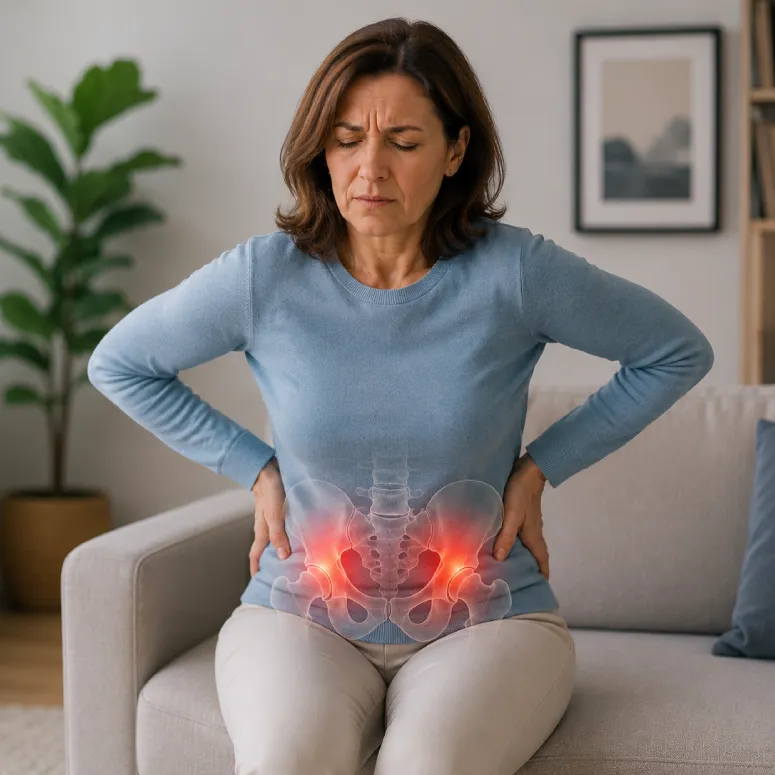

What is the sacroiliac joint?
The sacroiliac joints connect the lower part of the spine to the pelvis and support significant mechanical forces during walking, standing, and trunk movements.
Various inflammatory, degenerative, or biomechanical processes can alter its function and generate persistent pain.
Among the most frequent mechanisms are:
- Degenerative sacroiliac osteoarthritis
- Joint inflammation (sacroiliitis)
- Biomechanical overload and microinstability
- Postural and gait abnormalities
- Repetitive trauma and microtrauma
- Previous lumbar surgery
- Pregnancy and hormonal changes
- Inflammatory rheumatological diseases
What are the most common symptoms?
Sacroiliac arthropathy can manifest itself through:
- Lower back pain
- Unilateral or bilateral gluteal pain
- Pain radiating to the thigh or lower extremity
- Pain when walking, climbing stairs, or standing
- Lumbar and pelvic stiffness
- Feeling of being blocked or unstable
- Nighttime pain or inflammation in some cases
- Gait disturbance
Often, sacroiliac pain can be confused with sciatica, lumbar disc herniation, or hip pathology.
Specialized diagnostics and precision medicine
Diagnosis requires a proper clinical, biomechanical, and radiological assessment to accurately identify the joint responsible for the pain.
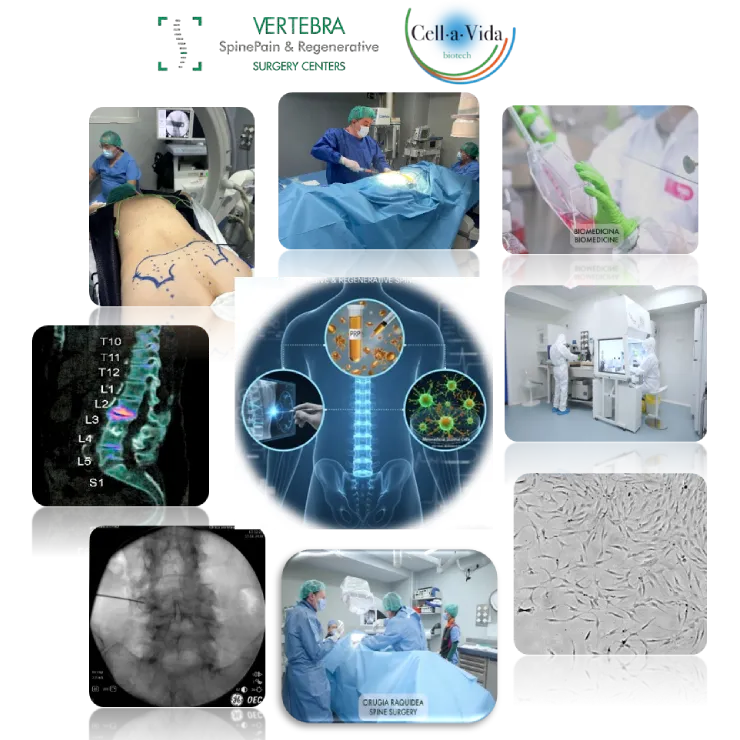
Treatment of Sacroiliac Arthropathy
The treatment will depend on the degree of inflammation, degeneration, and biomechanical instability.
At VERTEBRA SpinePain & Regenerative SURGERY CENTERS we provide a comprehensive and personalized approach through conservative, interventional and advanced regenerative treatments.
Among the available therapeutic options, the following stand out:
- Specialized pharmacological treatment
- Physiotherapy and advanced functional rehabilitation
- Biomechanical correction and lumbopelvic stabilization
- Ultrasound-guided and radioguided sacroiliac infiltrative treatments
- Radiofrequency ablation of the sacroiliac joint
- Regenerative Medicine and Advanced Cell Therapies (Mesenchymal Stem Cells)
- Advanced Neuromodulation
- Minimally invasive sacroiliac stabilization techniques in selected cases
Radiofrequency ablation of the sacroiliac sensory branches is one of the most effective techniques for the treatment of chronic sacroiliac pain in selected patients.
At VERTEBRA SpinePain & Regenerative SURGERY CENTERS we have a highly specialized unit in sacroiliac pain and advanced musculoskeletal intervention, offering personalized treatments using techniques of maximum precision and minimal invasiveness.
Our goal is to relieve pain, restore functional stability, and improve the patient’s mobility and quality of life.
Contact us and regain your quality of life
