

Chronic Pain and Neuropathies
Postherpetic Neuralgia
Postherpetic Neuralgia is a form of chronic neuropathic pain that may develop following a herpes zoster infection caused by the reactivation of the varicella-zoster virus within the sensory nerve ganglia. It is one of the most common and potentially disabling complications of herpes zoster, particularly in elderly patients or those with compromised immune systems.
The condition is characterized by persistent pain after the herpes skin lesions have resolved, resulting from injury and hypersensitization of the peripheral and central nervous systems. In some patients, the pain may persist for months or even years, significantly affecting quality of life, sleep, and functional and emotional well-being.


Most Common Symptoms
Postherpetic Neuralgia may present with different clinical manifestations depending on the affected nerve and the degree of neuropathic injury.
The most common symptoms include:
- Persistent pain in the area previously affected by herpes zoster
- Intense burning sensation
- Electric shock-like sensations or stabbing pain
- Extreme sensitivity to touch
- Pain triggered by mild stimuli (allodynia)
- Tingling or sensory disturbances
- Pricking sensations or muscle cramps
- Nocturnal pain and sleep disturbances
- Hyperalgesia and neural sensitization
- Functional limitation secondary to chronic pain
In some patients, even the friction of clothing or minor skin stimulation may trigger severe pain due to mechanisms of neuropathic sensitization.
Advanced Diagnosis
Diagnosis is based on a detailed clinical evaluation and assessment of the neuropathic component of the pain, aimed at ruling out other causes of neuralgia or associated neurological disorders.
The objective is to identify the predominant neuropathic mechanism and establish a personalized, multimodal treatment plan.
Specialized Treatment of Postherpetic Neuralgia
At Clínica VERTEBRA, we provide an advanced approach to postherpetic neuropathic pain through personalized treatments aimed at modulating neural sensitization, reducing pain, and improving the patient’s quality of life.
Treatment options may include:
- Specialized pharmacological treatment for neuropathic pain
- Neurological Rehabilitation and Physiotherapy
- Pain Neuromodulation
- Pulsed Radiofrequency
- Image-Guided Interventional Techniques
- Specialized Infiltration Treatments
- Biological Therapies and Regenerative Medicine
- Minimally Invasive Procedures for Refractory Neuropathic Pain
Interventional techniques may help modulate pathological nerve activity and reduce pain chronicity in selected patients.
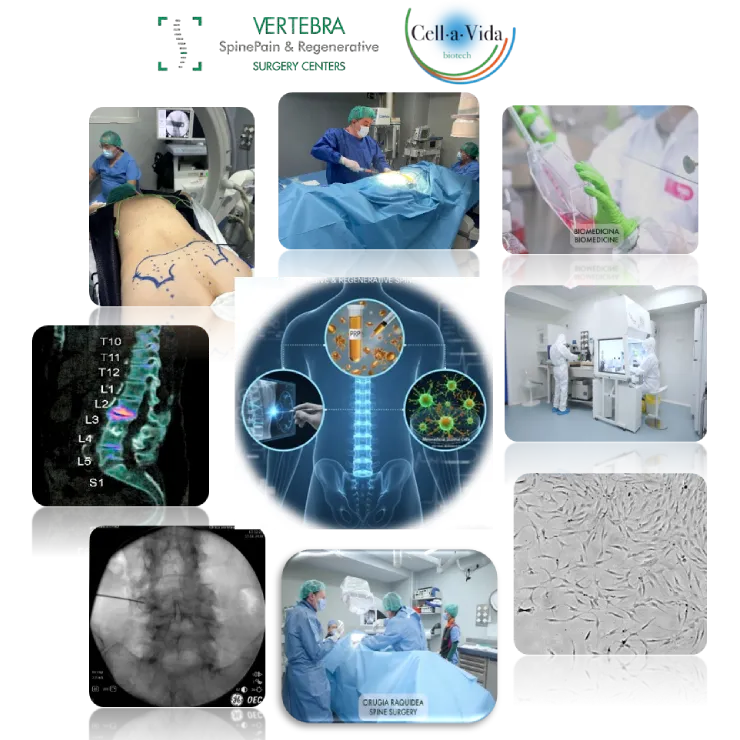
At VERTEBRA SpinePain & Regenerative SURGERY CENTERS, we have extensive expertise in the diagnosis and treatment of complex Neuropathic Pain and Postherpetic Neuralgia, using high-precision image-guided techniques together with personalized therapeutic protocols.
Our goal is to provide effective, safe, and minimally invasive treatments that reduce pain, improve function, and restore quality of life in patients with persistent neuropathic pain or pain refractory to conventional treatments.
Contact us and regain your quality of life
