

Spinal pathologies
Atypical Facial Neuralgia
Atypical Facial Neuralgia, also known as atypical neuropathic facial pain or idiopathic persistent facial pain, is a complex chronic pain disorder that affects different areas of the face and does not follow the typical pattern of classic cranial neuralgias.
It is characterized by persistent, deep facial pain with variable characteristics, which can be highly disabling and significantly affect the patient’s quality of life, rest, eating, and emotional well-being.
Unlike classic trigeminal neuralgia, the pain is usually more continuous, less localized, and often difficult to identify from an anatomical point of view, with complex neuropathic, muscular, and sensory mechanisms potentially coexisting.
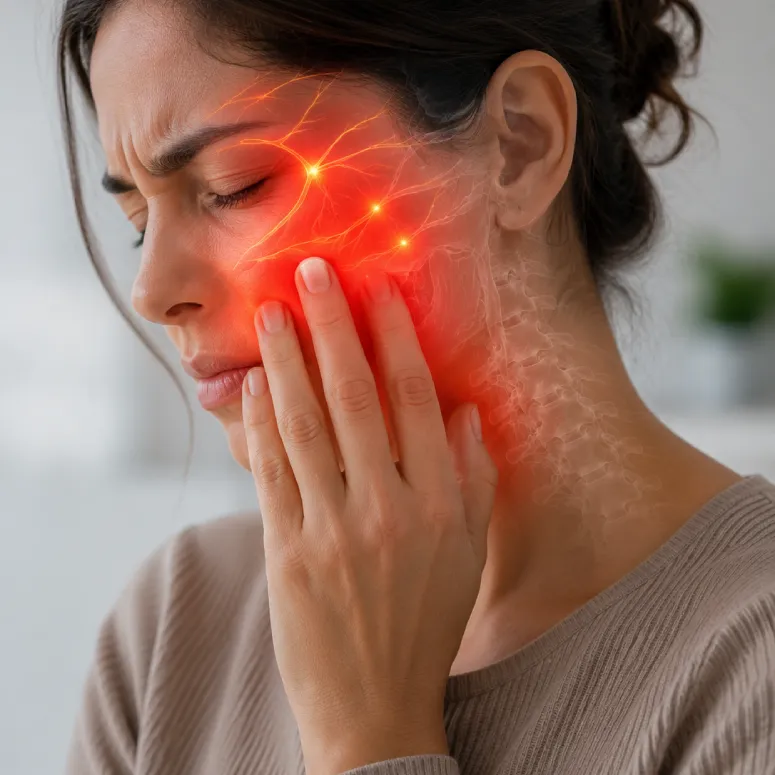

What are the most common symptoms?
Atypical facial neuralgia can manifest itself through:
• Persistent or fluctuating facial pain
• Burning, pressure, or pricking sensation
• Facial hypersensitivity
• Deep, poorly localized pain
• Jaw or maxillofacial discomfort
• Pain associated with cervical or facial muscle tension
• Tingling sensation or sensory disturbances
• Worsening with stress or fatigue
The pain can affect one or more facial regions and, in many cases, does not follow the specific path of a single cranial nerve.
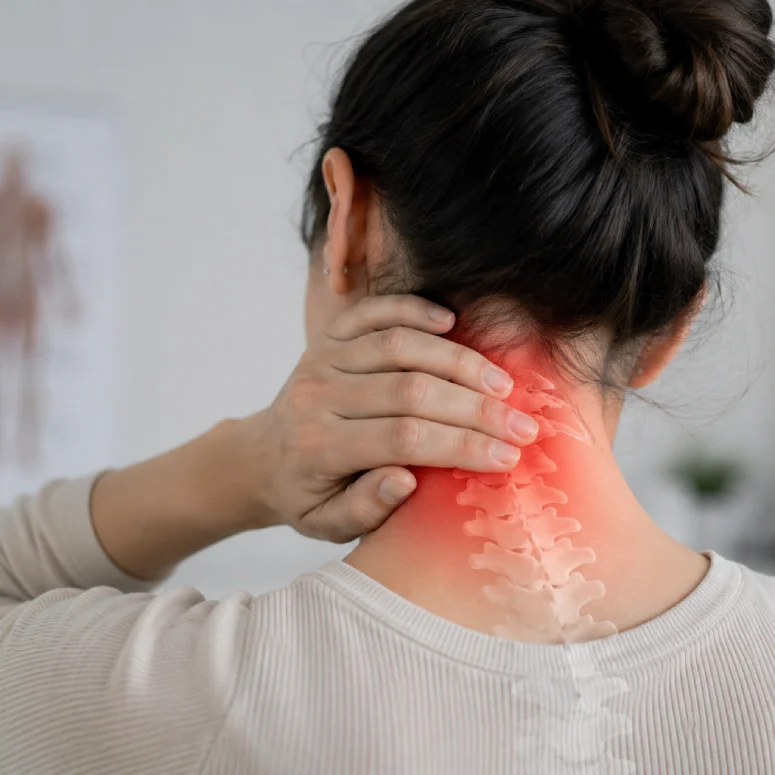
What are the causes?
Atypical facial neuralgia can be related to multiple pain and nerve sensitization mechanisms. Among the possible causes or associated factors are:
• Neuropathic disorders of the trigeminal nerve
• Central sensitization of the nervous system
• Post-traumatic or post-surgical pain
• Temporomandibular joint (TMJ) dysfunction
• Associated cervical pathology
• Facial and cervical myofascial pain
• Chronic stress and neuromuscular functional disorders
In many patients there is no clearly identifiable structural lesion, so the diagnostic and therapeutic approach must be individualized.
Specialized diagnosis
Diagnosis requires a thorough and multidisciplinary clinical evaluation aimed at ruling out other causes of facial pain, such as neurological, dental, joint, or muscular pain.
The goal is to identify the predominant mechanisms of pain and design a personalized treatment.

Treatment of Atypical Facial Neuralgia
Treatment should be tailored to the specific characteristics of each patient and usually requires a multimodal and multidisciplinary approach.
At VERTEBRA SpinePain & Regenerative SURGERY CENTERS we provide a comprehensive approach to neuropathic and craniofacial facial pain using advanced interventional techniques, neuromodulation and pain treatment.
Among the available therapeutic options, the following stand out:
- Specialized pharmacological treatment for neuropathic pain
- Ultrasound-guided nerve blocks
- Pulsed neuromodulatory radiofrequency
- Treatment of myofascial trigger points
- Specialized infiltrative treatments
- Functional cervical and temporomandibular rehabilitation
- Comprehensive treatment of complex craniofacial pain
The therapeutic goal is to decrease the intensity and frequency of pain, improve functionality, and restore the patient’s quality of life through personalized and minimally invasive treatments.
At VERTEBRA SpinePain & Regenerative SURGERY CENTERS we have a specialized unit with over four decades of experience in craniofacial pain, neuralgias and complex neuropathic pain, offering advanced image-guided diagnostic and treatment techniques tailored to each patient.
Contact us and regain your quality of life
