

Spinal pathologies
Lumbar spondyloarthrosis
Lumbar spondyloarthrosis is a chronic degenerative disease of the spine characterized by the progressive wear and tear of the joints, intervertebral discs, and lumbar bone structures.
This is one of the most frequent causes of chronic lower back pain and functional limitation, especially in adult and elderly patients.
The degenerative changes associated with spondyloarthrosis can affect the normal biomechanics of the lumbar spine and produce spinal pain, stiffness, nerve compression, and progressive loss of mobility.
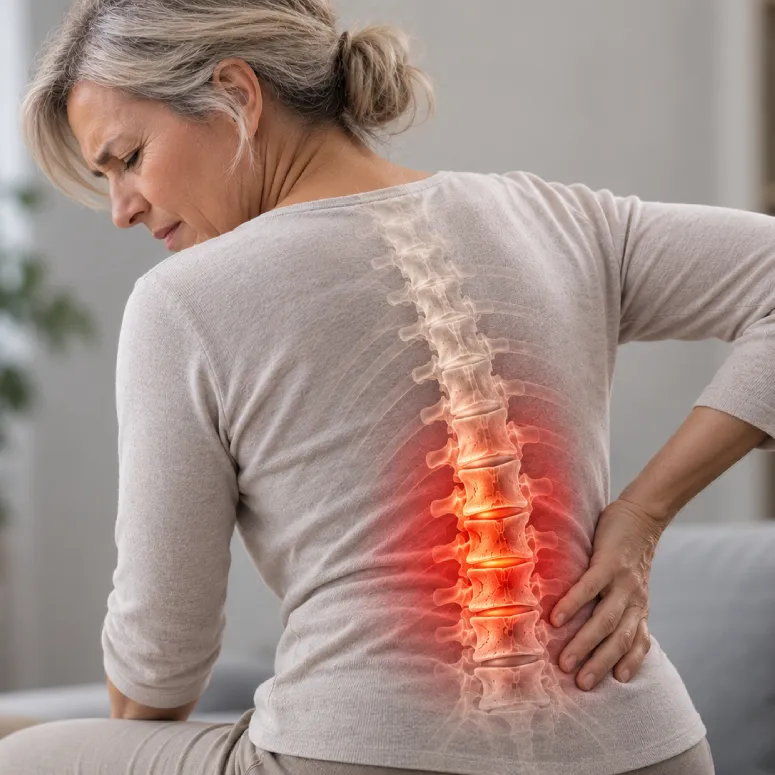
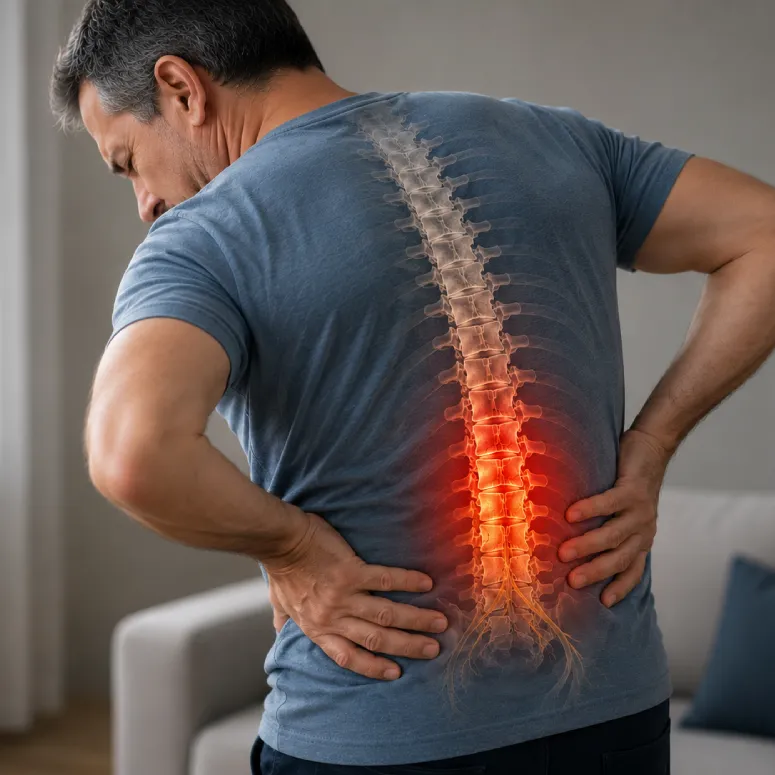
What happens in lumbar spondyloarthrosis?
The lumbar spine is made up of vertebrae, intervertebral discs, facet joints, ligaments, and muscular structures that allow for stability and mobility.
With aging and progressive wear and tear, the following may appear:
- Disc degeneration and dehydration
- Lumbar facet joint osteoarthritis
- Decreased disc height
- Formation of vertebral osteophytes
- Ligament hypertrophy
- Lumbar or foraminal spinal stenosis
- Vertebral instability and degenerative spondylolisthesis
These changes can cause inflammation, biomechanical overload, and compression of lumbar nerve structures.
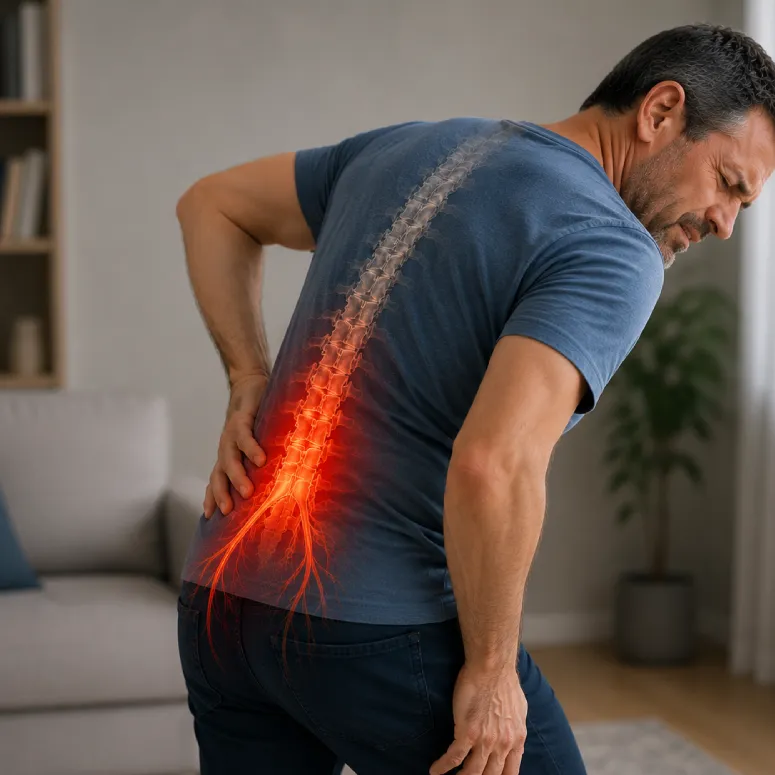
What are the most common symptoms?
The symptoms may vary depending on the degree of degeneration and the structures affected.
The most common symptoms include:
- Chronic lower back pain
- Lumbar stiffness and functional limitation
- Mechanical pain that worsens with physical activity
- Lumbar muscle contracture
- Pain radiating to buttocks or legs
- Feeling of heaviness or fatigue in the lower back
- Difficulty walking or standing for long periods
When there is associated neural compression, symptoms of sciatica, tingling, loss of sensation, or muscle weakness may appear.
Specialized diagnosis
Diagnosis requires a detailed clinical assessment and advanced imaging studies to identify the degree of vertebral degeneration and nerve involvement.
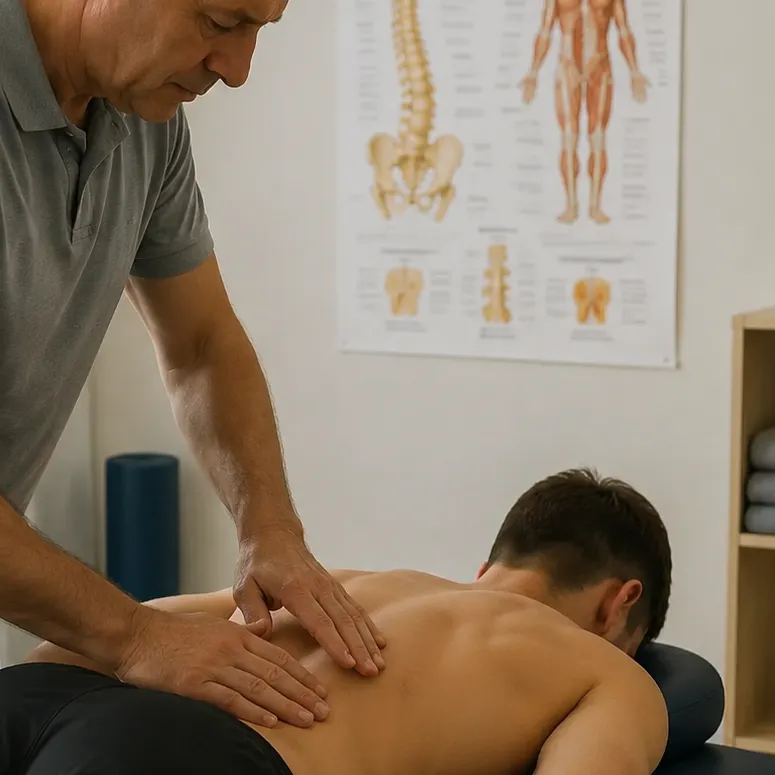
Treatment of lumbar spondyloarthrosis
The treatment will depend on the degree of degeneration and the patient’s clinical evolution.
At VERTEBRA SpinePain & Regenerative SURGERY CENTERS we provide a comprehensive and personalized approach to lumbar spondyloarthrosis through conservative, interventional and minimally invasive surgical treatments.
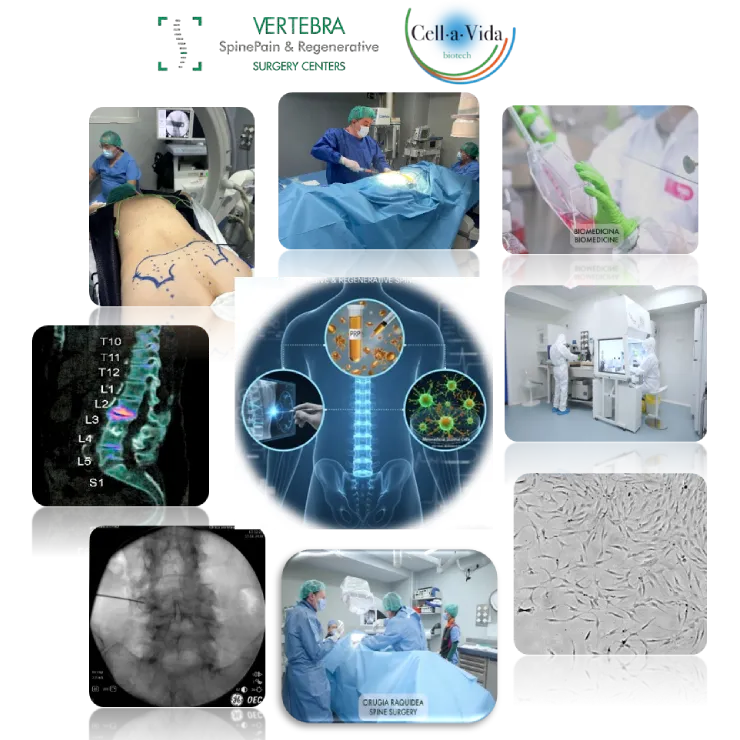
Among the available therapeutic options, the following stand out:
Among the available therapeutic options, the following stand out:
- Specialized pharmacological treatment
- Physiotherapy and advanced functional rehabilitation
- Postural re-education and lumbopelvic stabilization
- Image-guided spinal infiltration treatments
- Facet and root blocks
- Radiofrequency denervation of medial branches of the facet joint
- Neuromodulation and advanced pain management techniques
- Regenerative medicine and biological therapies
- Minimally invasive intradiscal techniques
- Spinal endoscopy and minimally invasive surgery
In selected patients with significant neural instability or compression, spinal decompression or stabilization surgery may be necessary.
At VERTEBRA SpinePain & Regenerative SURGERY CENTERS we have a highly specialized unit in degenerative lumbar pathology and advanced spinal intervention, offering personalized treatments using techniques of maximum precision and minimal invasiveness.
Our goal is to relieve pain, preserve mobility, and improve the patient’s functionality and quality of life.
Contact us and regain your quality of life
