

Spinal pathologies
Perineal Pain
Perineal pain is a complex and frequently disabling condition characterized by pain located in the perineal, genital, anal or deep pelvic region, with possible radiation to the buttocks, pelvis or lower extremities.
This type of pain can significantly affect the patient’s quality of life, rest, work activity, mobility, and emotional and sexual well-being.
Perineal pain can have a neuropathic, muscular, musculoskeletal, urological, gynecological or post-surgical origin, and the coexistence of several pain mechanisms simultaneously is common.
Due to the anatomical and neurological complexity of the perineal region, diagnosis and treatment require a highly specialized multidisciplinary assessment.
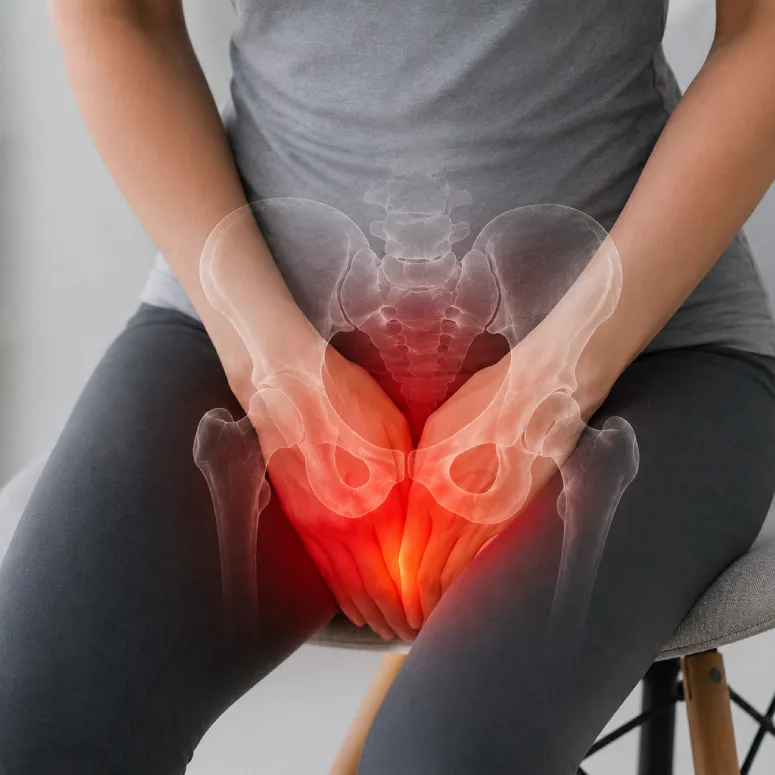

What structures can cause perineal pain?
The perineal region contains a complex network of nerve, muscle, and ligamentous structures responsible for fundamental sensory, motor, and visceral functions.
Among the most frequent causes are:
- Pudendal nerve neuralgia
- Pelvic nerve entrapments
- Myofascial syndrome of the pelvic floor
- Pelvic neuropathic pain
- Coccygeal and sacroiliac pathology
- Fibrosis and post-surgical adhesions
- Chronic prostatitis and male pelvic pain
- Endometriosis and gynecological pathology
- Pelvic or perineal trauma
- Pelvic floor muscle spasm
- Postpartum or post-surgical pain
Many patients experience chronic nerve sensitization and persistent neuropathic pain.
What are the most common symptoms?
The symptoms may vary depending on the affected structure and the degree of nerve sensitization.
The most common symptoms include:
- Persistent perineal pain
- Genital or anal pain
- A burning sensation, electric shock, or pressure
- Pain when sitting
- Perineal hypersensitivity
- Pain during sexual intercourse
- Urinary or intestinal disorders
- Pain radiating to the pelvis, buttocks, or lower extremities
- Pelvic floor muscle spasm
- Sensation of a foreign body or pelvic pressure
The pain usually worsens with prolonged sitting and partially improves when standing up or walking.
Specialized diagnosis
Diagnosing perineal pain requires a comprehensive and highly specialized evaluation aimed at accurately identifying the structures responsible for the pain.
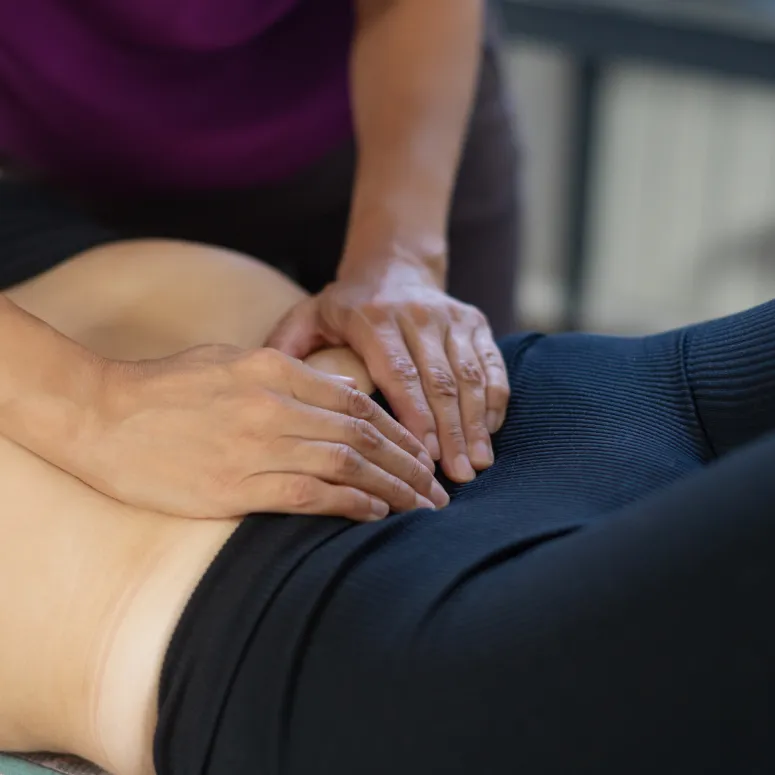
Advanced treatment of perineal pain
At VERTEBRA SpinePain & Regenerative SURGERY CENTERS we take a comprehensive and multidisciplinary approach using advanced medical, rehabilitative, interventional and regenerative treatments.
Among the available therapeutic options, the following stand out:
- Specialized pharmacological treatment for neuropathic pain
- Advanced pelvic floor physiotherapy
- Pulsed radiofrequency and neuromodulation
- Treatment of the pudendal nerve and pelvic nerves
- High-precision muscular and perineal infiltrative treatments
- Regenerative medicine and biological therapies
- Advanced neuromodulation and nerve stimulation
- Image-guided minimally invasive techniques
Neuromodulation and radiofrequency techniques can offer significant improvement in pain and functionality in patients with refractory chronic perineal pain.
At VERTEBRA SpinePain & Regenerative SURGERY CENTERS we have advanced experience in the diagnosis and interventional treatment specializing in perineal pain, complex neuropathies and advanced image-guided interventions, offering personalized treatments using techniques of maximum precision.
Our goal is to relieve pain, restore functionality, and significantly improve the patient’s quality of life through a comprehensive and highly specialized approach.
Contact us and regain your quality of life
