

Spinal pathologies
Traumatic and Osteoporosis-Related Vertebral Fractures
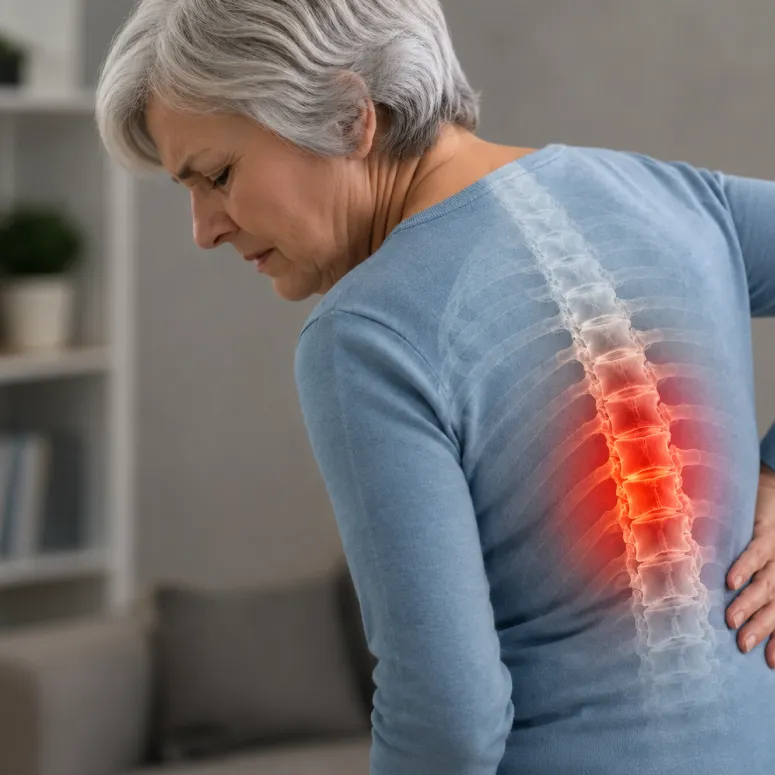
Vertebral fractures are a common cause of severe pain, functional limitations, and reduced quality of life. They can result from high-energy trauma or occur spontaneously or after minimal exertion in patients with osteoporosis and bone fragility.
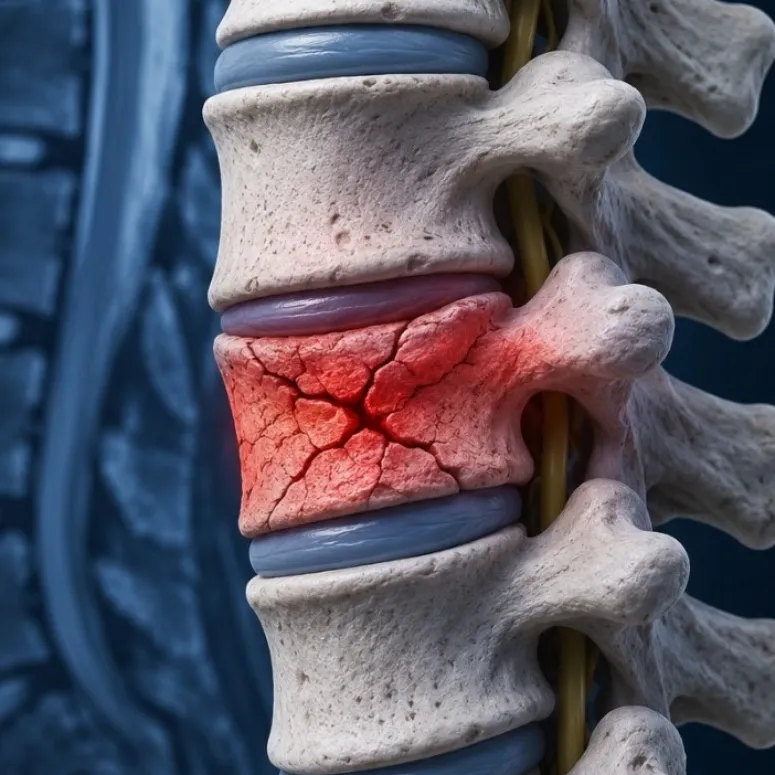
These fractures primarily affect the vertebral bodies and can cause severe acute pain, progressive spinal deformity, loss of mobility, and, in certain cases, neurological compromise secondary to compression of nerve structures.
Vertebral fractures are one of the most frequent complications of osteoporosis and are especially common in elderly people.
What are the most frequent causes?
Vertebral fractures can be classified primarily into:
- Traumatic vertebral fractures
- Osteoporotic vertebral fractures or fractures due to bone fragility
Traumatic fractures usually occur after:
- Traffic accidents
- Falls
- Sports injuries
- Axial compressions or high-energy impacts
On the other hand, osteoporotic fractures can appear even after minimal effort or everyday movements due to the loss of bone density and strength.
Other factors that may contribute to this type of fracture include:
- Advanced osteoporosis
- Advanced age
- Prolonged treatments with corticosteroids
- Metabolic bone diseases
- Vertebral tumors or metastases
- Bone fragility associated with chronic diseases

What are the most common symptoms?
The symptoms will depend on the type of fracture and its severity.
The most common symptoms include:
- Acute and intense spinal pain
- Pain that worsens when walking or standing
- Significant functional limitation
- Muscle stiffness and contracture
- Progressive loss of body height
- Vertebral deformity or increased kyphosis
- Persistent back or lumbar pain
In more severe cases, neurological symptoms such as weakness, sensory disturbances, or spinal cord compression may appear.
Specialized diagnosis
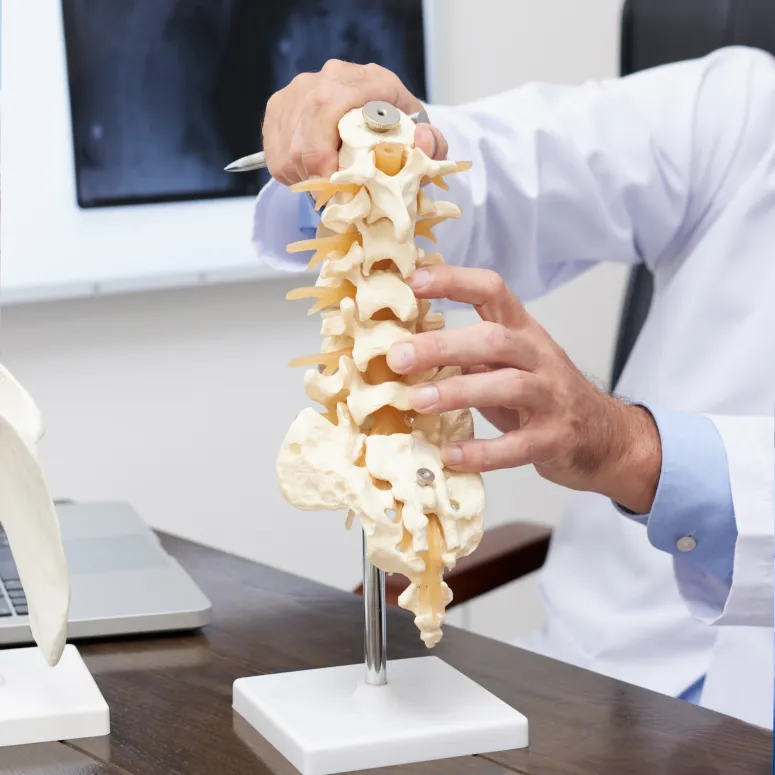
Diagnosis requires proper clinical assessment and advanced imaging studies to determine the type of fracture, its stability, and the presence of neurological involvement.
Magnetic resonance imaging is particularly useful for differentiating between acute and chronic fractures and associated injuries.
Treatment of vertebral fractures
The treatment will depend on the type of fracture, the degree of vertebral stability, the intensity of the pain, and the patient’s clinical characteristics.
In many cases, initial treatment may include:
- Analgesic and anti-inflammatory drug treatment
- Relative rest and spinal orthosis
- Progressive functional rehabilitation
- Specific treatment of osteoporosis
When there is persistent severe pain, significant vertebral collapse, or significant functional limitation, advanced minimally invasive techniques may be used, such as:
- Percutaneous kyphoplasty
- Vertebral cementoplasty
- Minimally invasive spinal stabilization
- Advanced pain management techniques
Percutaneous kyphoplasty allows stabilization of the fractured vertebra, rapid pain relief and, in certain cases, partial restoration of vertebral height and correction of kyphotic deformities.
At VERTEBRA SpinePain & Regenerative SURGERY CENTERS we have a highly specialized unit for vertebral fractures, osteoporosis and spinal intervention, offering advanced and personalized treatments using the most precise techniques.
Our goal is to relieve pain, restore spinal stability, and quickly and safely restore the patient’s mobility and quality of life.
Contact us and regain your quality of life
