

Spinal pathologies
Trigeminal Neuralgia
Trigeminal neuralgia is a neurological disease characterized by episodes of intense, sudden and recurrent facial pain, considered one of the most severe neuropathic pains that can be experienced.
The pain affects the trigeminal nerve, the main sensory nerve of the face, responsible for transmitting facial sensation to the brain. Patients often describe the pain as electric shocks, intense stabbing pains, or a sensation of current that appears suddenly and can be triggered even by mild stimuli in daily life.
Trigeminal neuralgia can significantly affect quality of life, limiting everyday activities such as talking, eating, brushing teeth, or touching certain areas of the face.


What are the most common symptoms?
Trigeminal neuralgia usually manifests itself through:
- Sudden and intense facial pain
- Electric shocks or facial stabbing pains
- Brief, repetitive episodes of pain
- Facial hypersensitivity
- Pain triggered by touch, chewing, or speaking
- Periods of remission and relapse
The pain usually affects only one half of the face and can be located in the maxillary, mandibular, dental, ocular or frontal region depending on the nerve branch involved.

What are the causes?
The most frequent cause is unknown, although compression of the trigeminal nerve by a blood vessel along its intracranial course can sometimes be demonstrated. However, other causes may also exist, such as:
- Degenerative changes
- Multiple sclerosis
- Post-surgical or post-traumatic sequelae
- Intracranial tumors or lesions
In some patients, sensitization of the nervous system and complex chronic neuropathic pain may coexist.
Specialized diagnosis
The diagnosis requires a detailed neurological assessment and adequate clinical and radiological correlation.
The goal is to confirm the neuropathic origin of the pain and rule out other pathologies that may mimic trigeminal neuralgia.
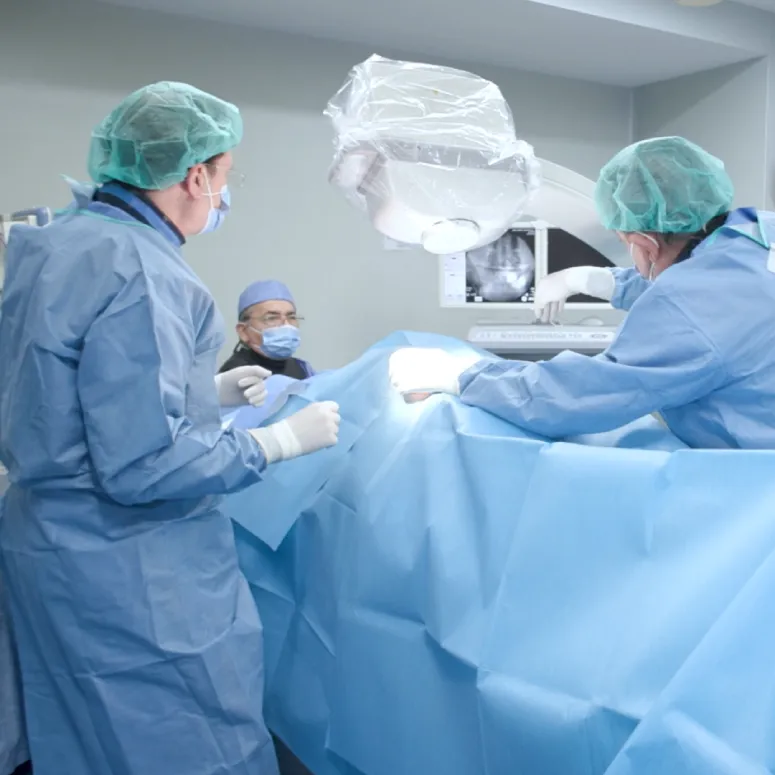
Treatment of Trigeminal Neuralgia
Treatment should be individualized according to the intensity of the pain, the response to previous treatments, and the clinical characteristics of each patient.
In the initial stages, specific pharmacological treatment for neuropathic pain is usually initiated. However, in patients who are refractory to treatment or who do not tolerate medication well, advanced interventional techniques may be necessary.
At VERTEBRA SpinePain & Regenerative SURGERY CENTERS we provide a comprehensive and specialized approach to trigeminal neuralgia using advanced pain intervention techniques.
Among the available therapeutic options, the following stand out:
- Specialized pharmacological treatment
- Radiofrequency ablation of the Gasserian ganglion
- Pulsed neuromodulatory radiofrequency
The goal of treatment is to reduce the intensity and frequency of painful crises, improve functionality, and restore the patient’s quality of life.
At VERTEBRA SpinePain & Regenerative SURGERY CENTERS we have a specialized unit with over four decades of experience in craniofacial pain and complex neuralgias, offering highly specialized and personalized treatments using high-precision and minimally invasive techniques.
Contact us and regain your quality of life
